Shaping the Future of Senior Living and Care: Ensuring Resident Dignity and Independence Through Thoughtful Design
When families begin searching for senior living options for their loved ones, they're looking for more than just safe, accessible spaces. They're seeking environments that honor dignity, preserve independence, support wellness, and feel like home.
As the senior living industry evolves, driven in part by the expectations of baby boomers and the rapid growth of retirement communities, the focus on thoughtful, person-centered design has never been more important.
At Rheinlander Architects, our approach to senior living design centers on creating spaces where residents can thrive while maintaining their sense of self and autonomy.
The challenge is real: how do you design environments that meet rigorous safety and accessibility requirements without feeling institutional? How do you support residents who need help while preserving their independence? And how do you create spaces that adapt to changing needs without requiring disruptive relocations?
This post explores eight essential design elements shaping the future of senior living, each chosen for the role it plays in preserving residents’ dignity and fostering independence. Together, these principles form a holistic, future-forward approach to creating environments where seniors can thrive.
8 Essential Elements of Senior Living and Care Design that Respects Resident Dignity and Independence
1. Residential Character: The Foundation of Home
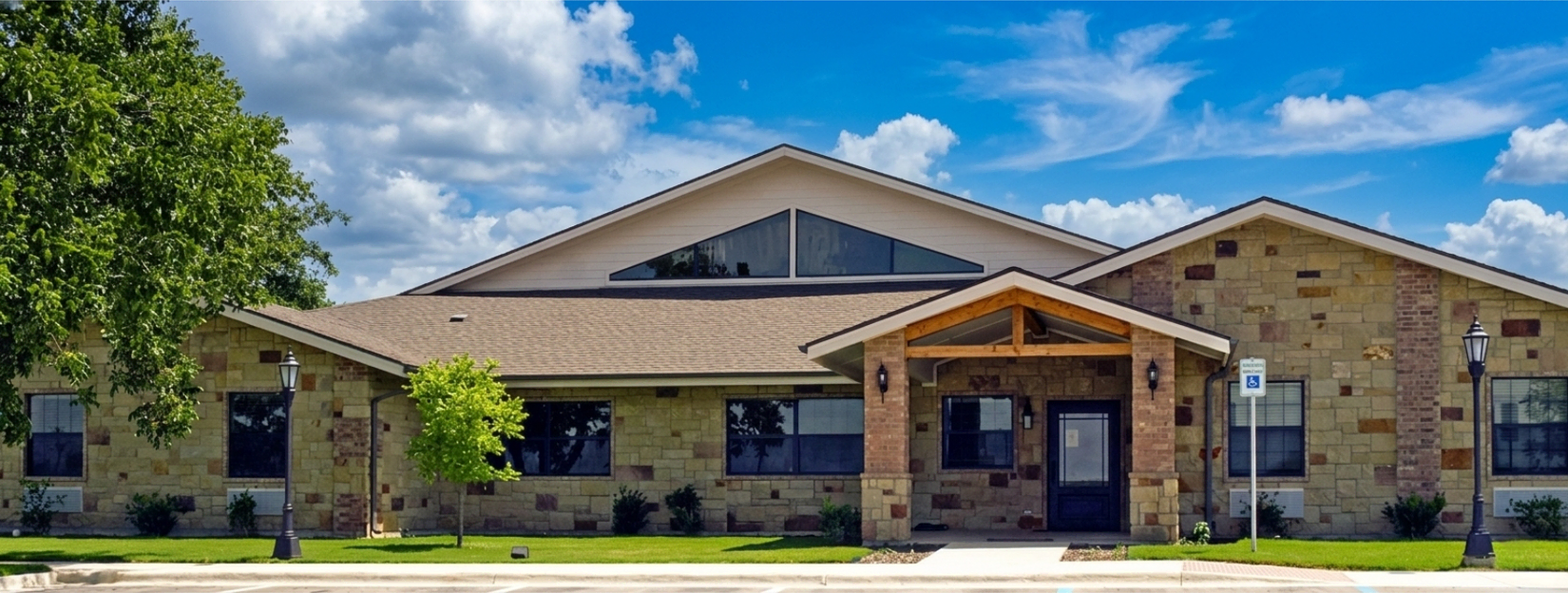
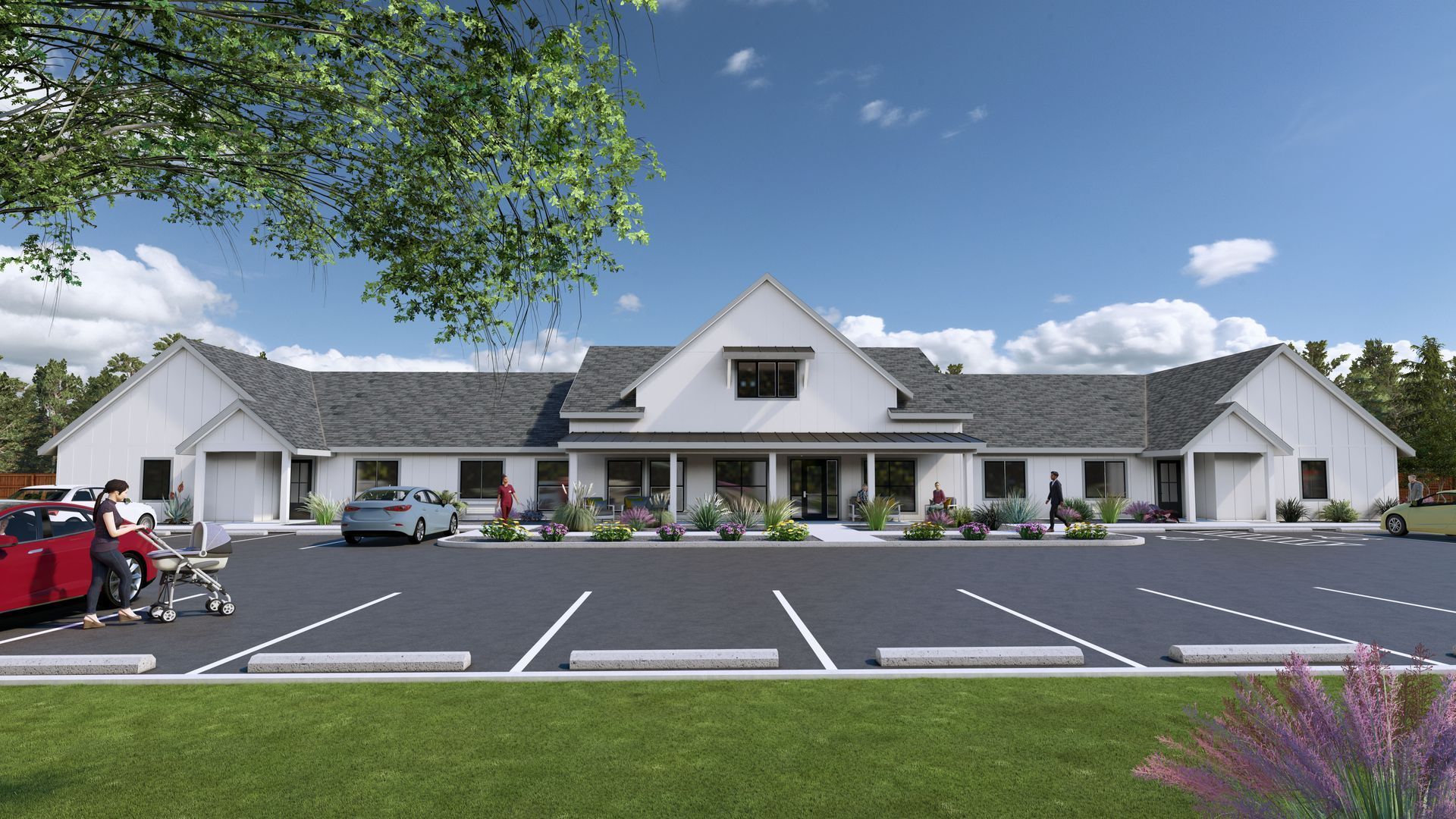
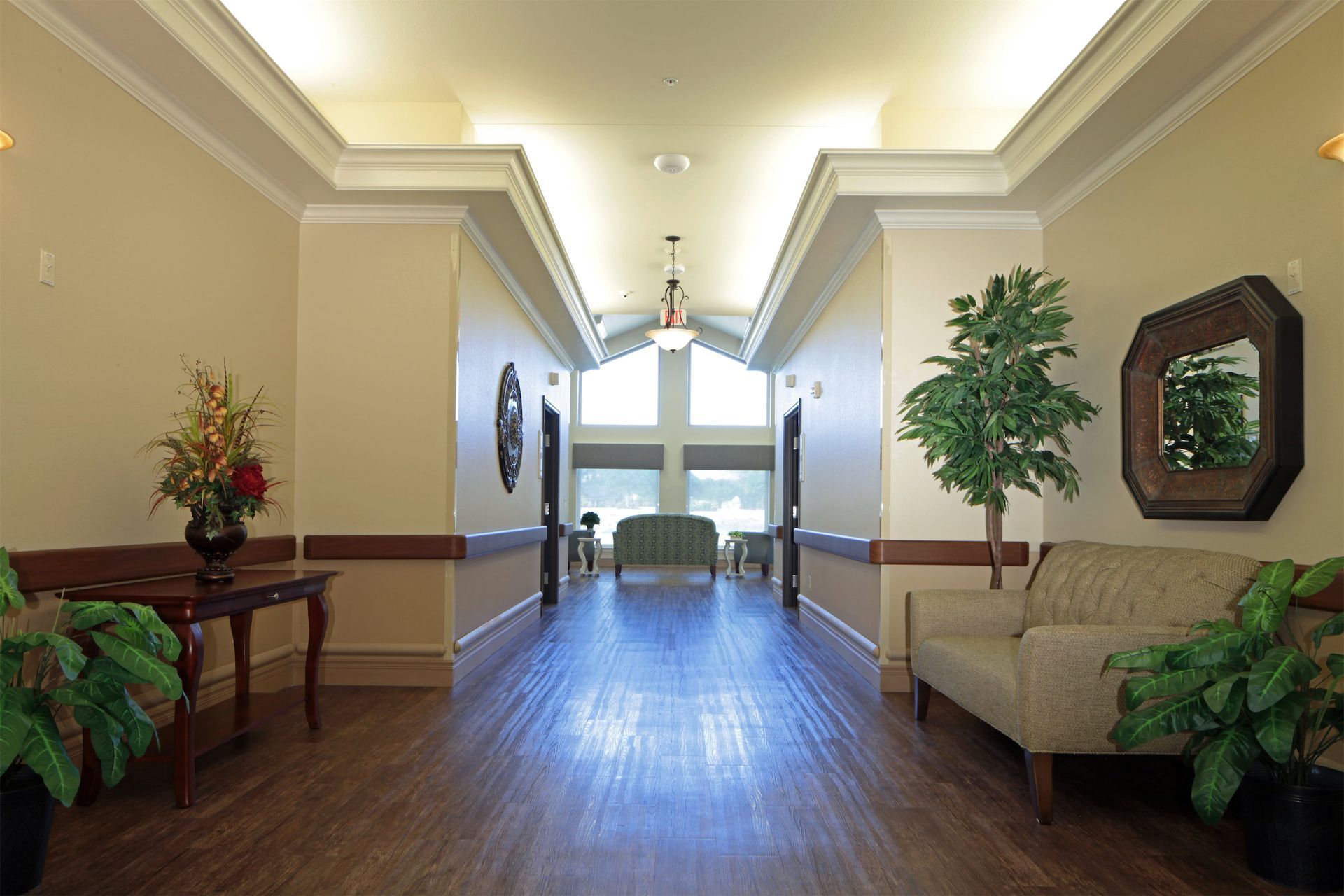
The most noticeable element when entering any well-designed senior housing project is its residential scale and finishes.
Rather than feeling like a medical institution, these spaces should evoke the warmth and comfort of home.
This philosophy becomes the foundation for every subsequent design decision we make—from how we organize senior living communities to the materials we select to the technologies we incorporate.
In memory care especially, we often implement small household layouts featuring a limited number of rooms arranged around an intimate living and dining area with a kitchenette or prep kitchen. This scale creates a sense of belonging and community without overwhelming residents.
Service areas, medical equipment, and staff support spaces remain hidden behind residential-looking doors, keeping the institutional elements out of sight and maintaining the home-like atmosphere that residents and families seek.
2. Privacy and Personal Space: Where Dignity Begins
Dignity begins with having space that's truly your own. We prioritize private bedrooms with en-suite bathrooms whenever possible, ensuring residents have their own sanctuary where they can maintain independence and sense of self.
But privacy extends beyond just having your own room.
Sound insulation between rooms is equally critical for maintaining dignity and quality of life. Proper sound transmission class ratings in wall partitions ensure that residents can watch television, have conversations, or simply enjoy quiet time without disturbing neighbors or being disturbed themselves.
When residents can sleep through the night without hearing their neighbor's television, they wake refreshed and better able to engage with their day. This attention to acoustic privacy contributes significantly to both physical health and emotional wellbeing.
We also design entry areas where residents can display personal photographs and mementos—small touches that say "this is my home" rather than "this is room 204." These personalization opportunities become increasingly important as residents transition from their longtime homes, allowing them to bring elements of their identity into their new space.
These details matter across all levels of senior housing, from independent and active adult environments to more supported care settings.
As resident needs continue to evolve, meaningful collaboration becomes essential. Our approach is grounded in listening—an idea explored more deeply in our article on how stakeholder insights shape stronger senior living environments.
3. Accessibility That Enhances Rather Than Diminishes
One of the most important challenges in senior living design is maintaining accessibility requirements while preserving a residential feel. This is where the balance between dignity and safety becomes most apparent.
The reality is that features like grab bars, wider doorways, and open floor space are essential for safety and independence, but they don't have to announce "institutional care facility."
We've found creative solutions to this challenge. Attractive grab bars and towel bars that function as safety features blend seamlessly into residential bathrooms. Rather than standard institutional hardware, these fixtures look like the kind of elegant details found in an upscale home.
For kitchens in assisted living units, we sometimes design removable cabinet faces below sinks—when a resident needs wheelchair access, the face can be removed to create knee space, but until then, it maintains the traditional kitchen aesthetic that feels familiar and comfortable.
We also vary countertop heights to accommodate different needs and abilities, ensuring spaces can adapt as residents age in place. Zero-threshold showers allow residents to walk or roll in safely without the barrier of a curb.
This flexibility is crucial in continuing care environments, helping residents remain in familiar surroundings even as needs evolve. When someone can truly age in place, their sense of stability and home remains intact even as their physical needs evolve.
4. Intuitive Wayfinding: Supporting Independent Navigation
For residents with memory challenges, maintaining independence requires removing barriers to navigation. Thoughtful wayfinding elements allow residents to move confidently through their environment, reducing anxiety and preserving autonomy.
We've incorporated color themes and visual cues throughout buildings—sometimes creating distinct neighborhood identities with themes like equestrian or automotive motifs that resonate with residents' interests and backgrounds.
Advanced technology now offers even more personalized solutions. Memory stations synched with wearable devices can display familiar images—family photos, scenes from residents' past careers, or their own homes—providing comfort and helping residents orient themselves.
Even room identification can be personalized, with doors displaying the resident's chosen images only when they approach. This creates a moment of recognition and belonging that helps residents navigate independently rather than needing to constantly ask for help finding their room.
In memory care specifically, we design continuous corridor loops that eliminate dead-ends. This architectural decision supports residents' natural tendency to wander while reducing the frustration and confusion that comes from reaching a corridor's end with no clear path forward.
Throughout all senior living spaces, we break up longer hallways with alcoves, sitting areas, and varied ceiling heights.
These design choices eliminate the institutional "hospital corridor" feeling, create natural gathering spots where residents can socialize, and provide visual landmarks that aid in navigation.
5. Connection to Nature and Natural Light
Connection to nature and natural light dramatically impacts resident wellbeing and sense of normalcy. When you're living in a space day after day, having access to natural light, views, and outdoor spaces becomes essential for maintaining a connection to the rhythms of daily life and the broader world.
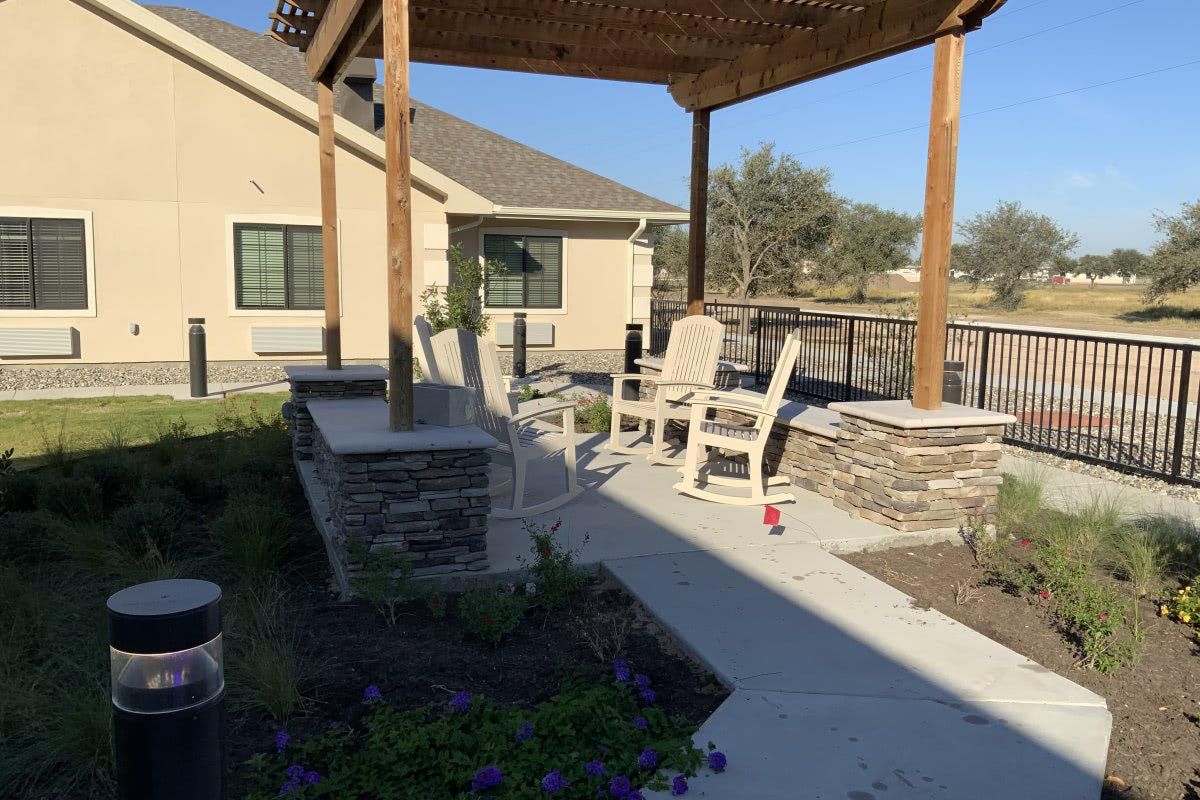
We incorporate windows, porches, and patios throughout our designs, with some features like conditioned patios that can open completely to the outdoors on pleasant days. Secured courtyards and garden areas provide safe opportunities for residents to enjoy fresh air and nature without compromising safety or requiring constant supervision.
We've even designed elevated garden beds—raised planters with surrounding benches that allow residents to tend plants while sitting comfortably, without needing to kneel or bend to ground level. These features are particularly meaningful in communities where gardening has been central to residents' lives and cultural identity.
Being able to continue an activity that's been part of your identity for decades is pleasant and it's fundamental to maintaining your sense of self and purpose.
Natural light also plays a crucial role in maintaining healthy sleep patterns. Circadian rhythm lighting technology takes this even further by mimicking natural daylight patterns, with light temperature shifting from bright white at midday to warm hues in the evening.
This environmental cue helps residents maintain healthy sleep cycles, particularly important for those with memory challenges who may become confused when waking at night. Better sleep means better health, clearer thinking, and greater capacity to maintain independence during waking hours.
We also carefully design lighting to avoid glares, which can be particularly challenging for older adults with cataracts and other age-related vision changes.
Many of the design choices that support independence also contribute to healthier, more sustainable environments. For a closer look at practical ways to incorporate sustainability, visit our article on small but impactful strategies for greener senior living design.
6. Choice and Variety in Social Spaces
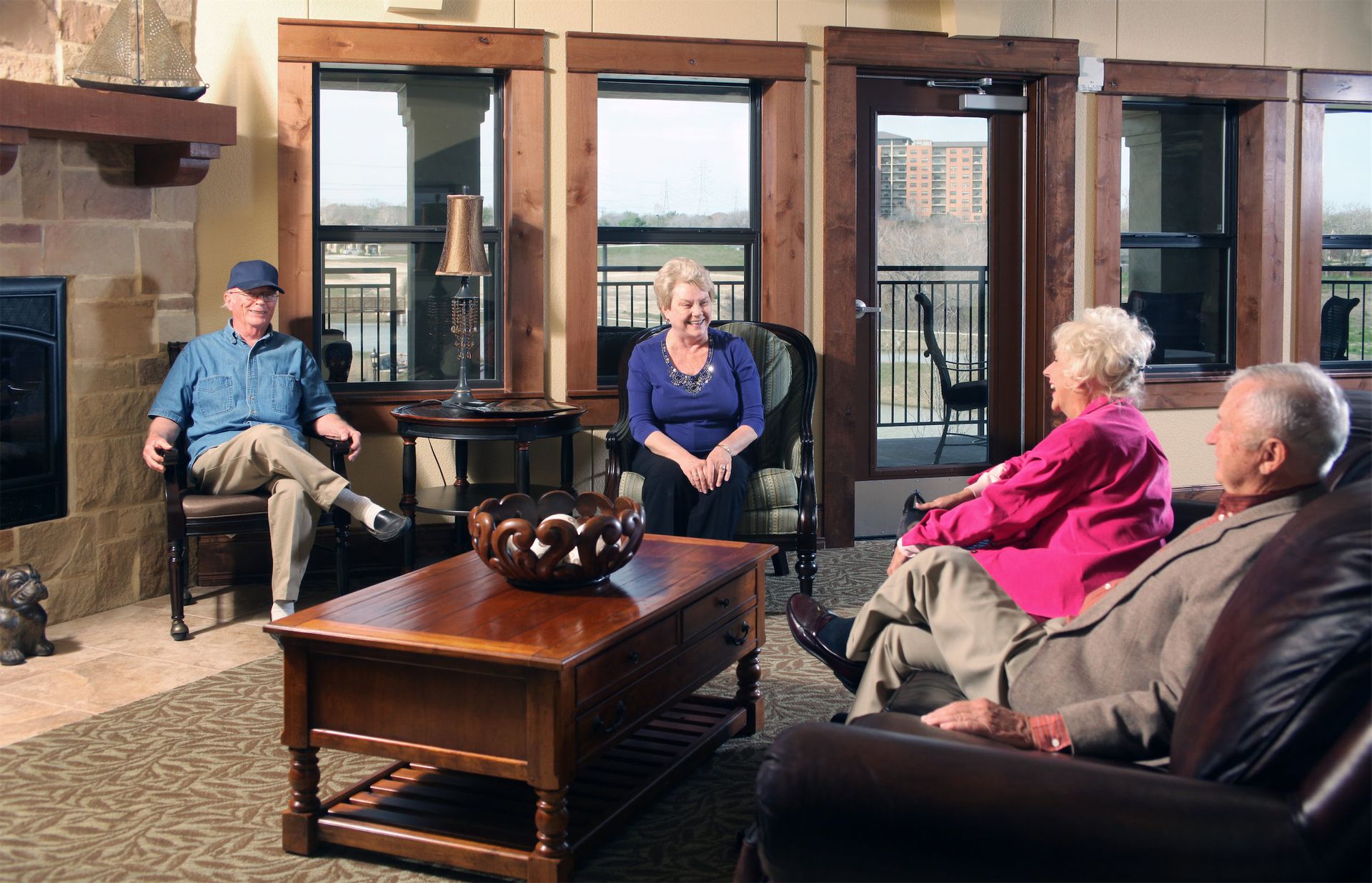
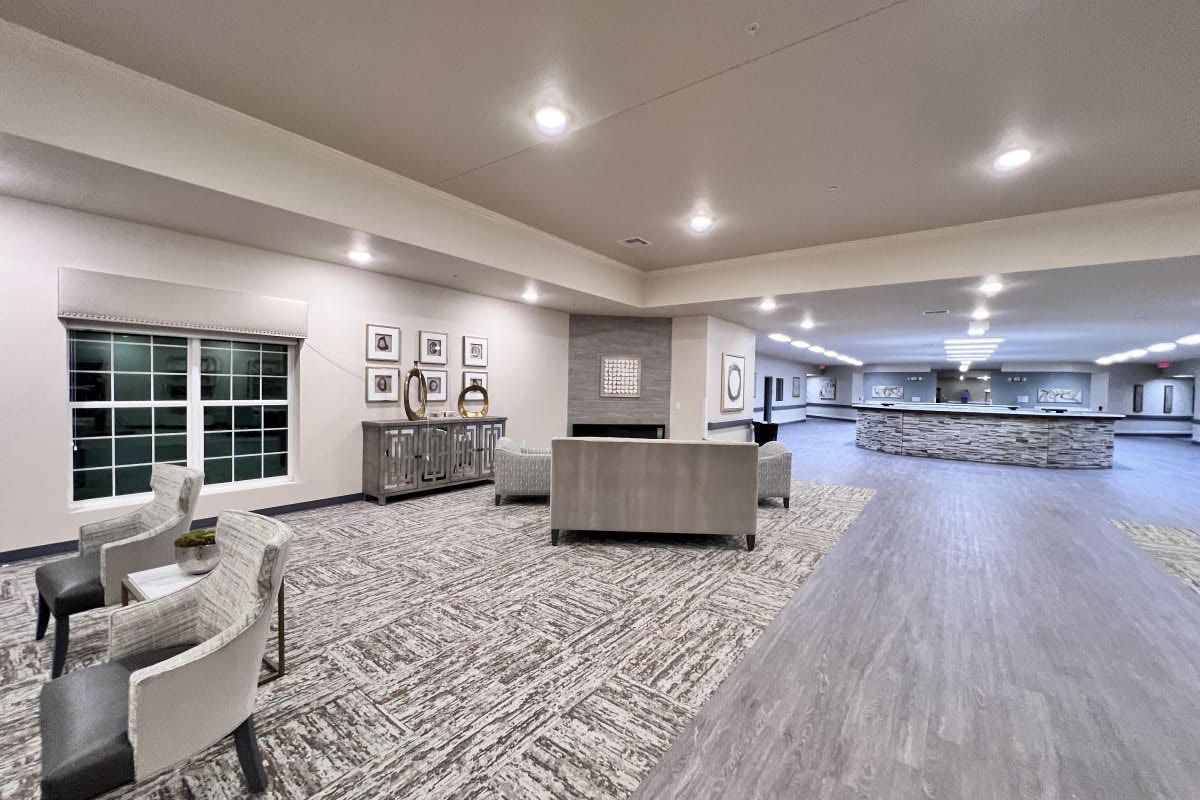
Dignity includes the right to choose where and how to spend your time. This principle fundamentally shapes how we think about common spaces. In addition to creating one large community room where activities can occur, we design multiple smaller social areas throughout buildings, each with its own character and purpose.
This approach recognizes a simple reality: in a household of 16 residents, not everyone will get along, and people have different needs throughout the day.
Some residents seek quiet conversation, others want lively activity, and some simply want to be around others without directly engaging. When residents can self-select their level of engagement and social interaction, they maintain agency over their daily experience.
Multi-purpose rooms that can transform from family visiting areas to activity spaces to quiet lounges provide flexibility while maximizing the usefulness of every square foot. Open or semi-open kitchens allow residents to watch meal preparation or even participate in cooking activities, maintaining familiar routines and providing opportunities for engagement.
These varied spaces preserve autonomy and recognize that independence includes the freedom to choose solitude when desired.
7. Strategic Design for Staff Efficiency
Here's where design philosophy comes full circle: the best way to support resident independence is to design spaces that make staff more efficient. This might seem counterintuitive, but the connection is direct and powerful.
When we distribute support areas—clean linens, soiled linens, storage, and utility rooms—throughout the building rather than centralizing them, staff spend less time walking and more time with residents. Every step saved is time that can be redirected to resident care and engagement.
This localized approach reduces staff traffic in resident areas, maintaining the home-like atmosphere. It allows staff to respond more quickly when residents need assistance. And critically, it gives staff more time for meaningful interaction with residents.
That increased interaction time supports the social engagement that's essential for cognitive and physical health. When staff aren't rushing from one end of the building to the other, they can have conversations, notice subtle changes in resident wellbeing, and provide the kind of attentive care that allows residents to maintain independence longer.
Discreet staff monitoring stations positioned throughout neighborhoods provide oversight without institutional visibility. These spaces are designed to be functional for staff while remaining unobtrusive to residents and visitors. Proper sight lines allow staff to maintain awareness of resident activities without creating a sense of constant surveillance.
We're also increasingly prioritizing staff break areas in our designs—rooms with natural light, windows, and sometimes access to outdoor spaces where staff can recharge. This has a positive impact that goes beyond staff satisfaction.
High staff turnover disrupts residents' sense of security and continuity. When residents know and trust their caregivers, they're more comfortable maintaining independence. Familiarity breeds confidence. Staff retention, therefore, becomes a design consideration that directly impacts resident dignity.
8. Technology as a Thoughtful Enabler
Modern technology offers remarkable tools for supporting independence, but only when implemented thoughtfully. The goal is to create systems that enable rather than oversee, that support rather than control.
Fall-detection systems and predictive monitoring that alerts staff to changing resident patterns allow residents to move freely while ensuring help comes quickly if needed. When residents know that assistance is reliably available, they feel more confident maintaining their independence.
Some facilities now use systems that “learn” individual resident patterns—noticing, for example, that a particular resident typically gets out of bed between 1:00 and 1:30 AM—allowing staff to proactively position themselves to provide assistance before it becomes an emergency.
Even innovations like specialized flooring systems that distribute impact to reduce injury severity operate invisibly, providing protection without announcing limitations. Emergency call systems integrated throughout rooms and common areas ensure residents can summon help from any location, supporting both safety and the confidence to remain active.
The key is implementing technology as a support system rather than a replacement for human care and attention. When used appropriately, cameras and monitoring devices should be discreet. Memory stations should feel like helpful tools, not remedial devices. Technology should fade into the background, quietly enabling independence rather than highlighting limitations.
Bringing It All Together: The Integrated Approach to Senior Living Design
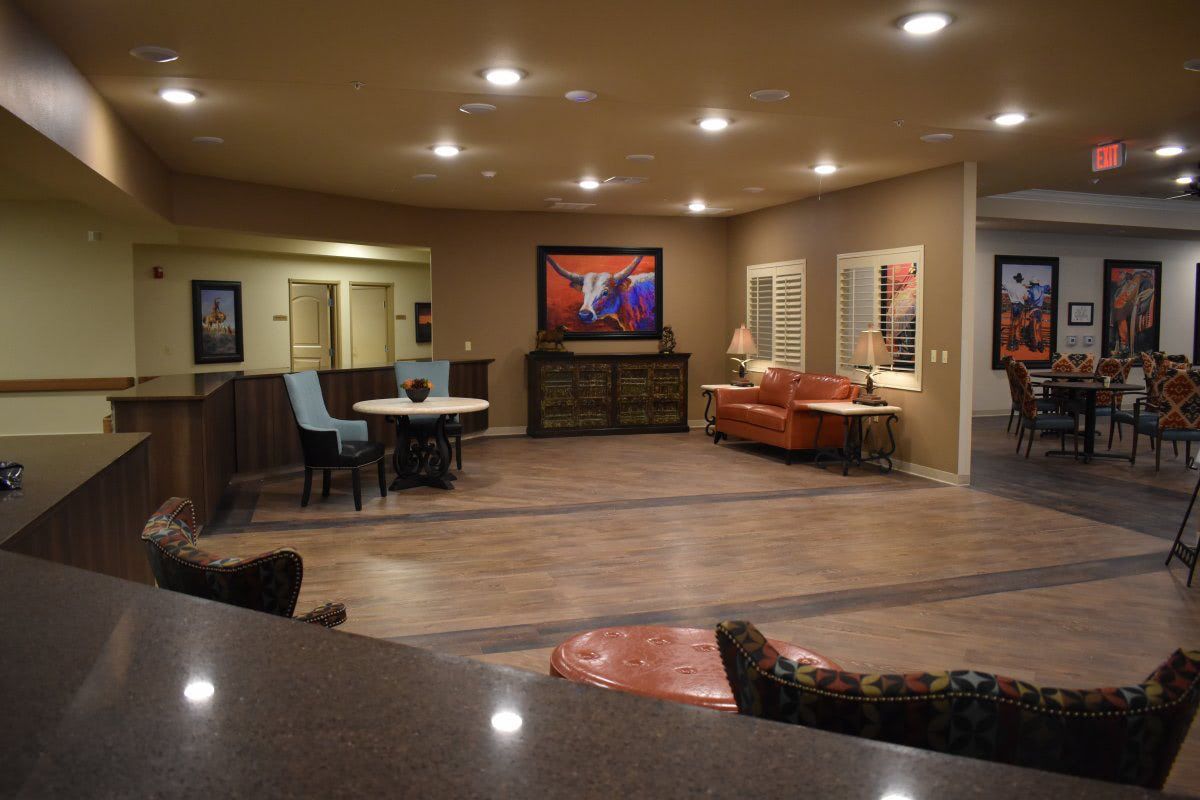
None of these elements exists in isolation. The power of dignity-centered design comes from how these components work together to create an integrated environment.
Natural light supports circadian rhythms, which improves sleep, which enhances cognitive function, which allows greater independence. Efficient staff workflows create more time for resident interaction, which builds trust, which encourages residents to remain active and engaged. Intuitive wayfinding reduces anxiety, which promotes exploration, which maintains physical and cognitive health.
At Rheinlander Architects, we design with the understanding that these aren't just buildings—they're homes for people navigating one of life's most significant transitions. Every design decision should honor their dignity, support their independence, and create an environment where they can continue to live fully and meaningfully.
When families walk through a space we've designed, they shouldn't just see safety features and accessibility—they should see a place where their loved one can continue to be themselves, to make choices, to engage with life on their own terms for as long as possible.
Because ultimately, shaping the future of senior care means creating environments where aging doesn't require surrendering the fundamental human needs to feel at home, to feel capable, and to feel like yourself even as life circumstances change.
At Rheinlander Architects, we specialize in designing senior care environments that balance safety, functionality, and the warmth of home. Whether you're planning a new facility or renovating an existing space, our team brings decades of experience in creating environments where residents can thrive.
Schedule Your Consultation to discuss how we can bring these design principles to your next project.
Frequently Asked Questions About Dignity-Centered Senior Living Design
What makes dignity such an important part of senior living design?
Dignity is central to resident wellbeing. When older adults feel respected, supported, and empowered, they are more likely to stay active, maintain independence, and engage meaningfully in daily life. Design plays a major role—privacy, personal choice, intuitive layouts, and residential character all reinforce a sense of identity and self-worth.
How does thoughtful design help residents maintain independence?
Features like intuitive wayfinding, accessible bathrooms, zero-threshold showers, adaptable kitchens, and clear circulation paths support residents’ ability to navigate and use their environment without constant assistance. When residents can make choices and move confidently, they maintain greater autonomy.
Why is residential character so important in senior housing projects?
A home-like environment helps residents feel comfortable and at ease, especially when they’re making a major life transition. Residential finishes, small household layouts, concealed medical equipment, and familiar materials reduce the institutional feel that many families want to avoid.
How does design support residents with memory challenges?
Thoughtful memory care design includes continuous corridor loops, distinct household themes, supportive lighting, simplified layouts, and personalized cues that help residents find their way independently. These elements reduce confusion and anxiety while encouraging engagement.
What role does natural light play in resident wellbeing?
Natural light supports healthy sleep cycles, boosts mood, and helps maintain orientation throughout the day. Strategies like large windows, skylights, and circadian-aware lighting systems help residents feel more connected to daily rhythms, which is especially important for those with cognitive decline.
How does technology support independence rather than surveillance?
Modern systems—such as discreet fall detection, predictive monitoring, wearable memory cues, and emergency call integration—provide safety without feeling intrusive. When used thoughtfully, technology fades into the background and quietly supports resident independence.
Why are multiple social spaces better than one large gathering area?
Residents have different social needs, energy levels, and comfort preferences. Offering a variety of spaces—quiet lounges, active hubs, open kitchens, and small group areas—lets residents choose how they want to interact at any moment, preserving dignity and personal agency.
How can design improve staff efficiency without compromising the resident experience?
Strategically placed support areas, improved sight lines, and well-located workspaces reduce unnecessary staff travel time. This allows caregivers to spend more time connecting with residents, which improves engagement, satisfaction, and the overall atmosphere of the residence.
What is the benefit of allowing residents to “age in place”?
Aging in place minimizes disruption. When residents don’t have to move as their needs evolve, they experience greater emotional stability and comfort. Adaptable features—like removable cabinet fronts, varied counter heights, and accessible bathrooms—help maintain continuity and independence.
How does Rheinlander Architects approach senior living design differently?
Our team focuses on creating environments that feel like home while supporting residents’ changing needs. We blend safety, accessibility, and residential character with insights from decades of experience in senior care environments. Every project is designed to honor dignity, promote independence, and enhance everyday living for seniors and their care teams.
Ready to create a senior living environment that truly supports dignity and independence? Schedule a consultation
here.