Top Design Trends for Senior Living and Care in 2026
The senior living and care industry continues to evolve, adapting to the needs and expectations of an aging population. Today’s senior living communities emphasize wellness, independence, and engagement, moving away from outdated, institutional models toward resident-centered environments.
At Rheinlander Architects, we are at the forefront of these changes, designing spaces that enhance quality of life for older adults.
This blog explores the design trends shaping the future of senior living in 2026 — from the growing demand for privacy and residential-scale living to the redefinition of wellness as a way of life, and amenities that go far beyond the traditional common room.
If you'd like to revisit where we started, you can find our
2025 Senior Living Design Trends post here.
Trend 1: Generational Expectations Will Redefine Senior Living and Care Communities
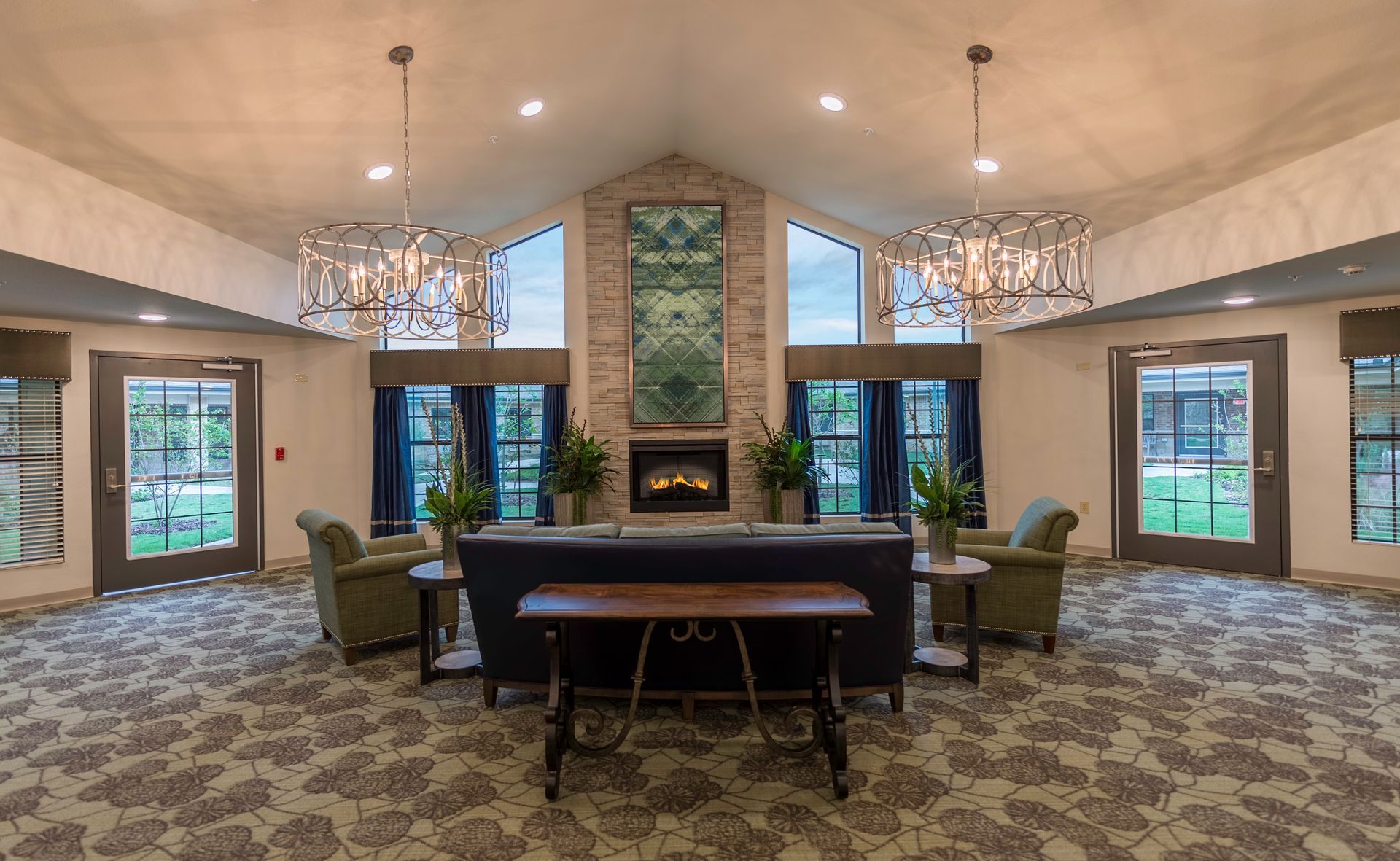
With the rise of baby boomers entering their senior years, expectations have shifted toward autonomy, personalization, and hospitality-driven environments. Modern residents expect vibrant communities that foster independence, connection, and dignity.
- Spacious living environments with private bathrooms and the ability to personalize décor are essential.
- Inclusive design creates accessibility while promoting choice, dignity, and social interaction.
- Multi-generational senior living communities foster engagement between older and younger generations, providing opportunities for socialization while maintaining security and infection control protocols.
- Independent living occupancy rates surpassed 90% in late 2025 for the first time since before the pandemic — a clear signal that boomer demand has arrived in full force. But with demand comes discernment: aging, vintage assisted living properties are proving less appealing to today’s private-pay residents. Communities that invest in the design and amenity upgrades this generation expects will be positioned to capture that demand.
To successfully meet these shifting expectations, it’s critical to partner with architects who specialize in senior living design. By responding to these evolving needs, developers can create welcoming environments that promote autonomy and enable older adults to successfully age in place.
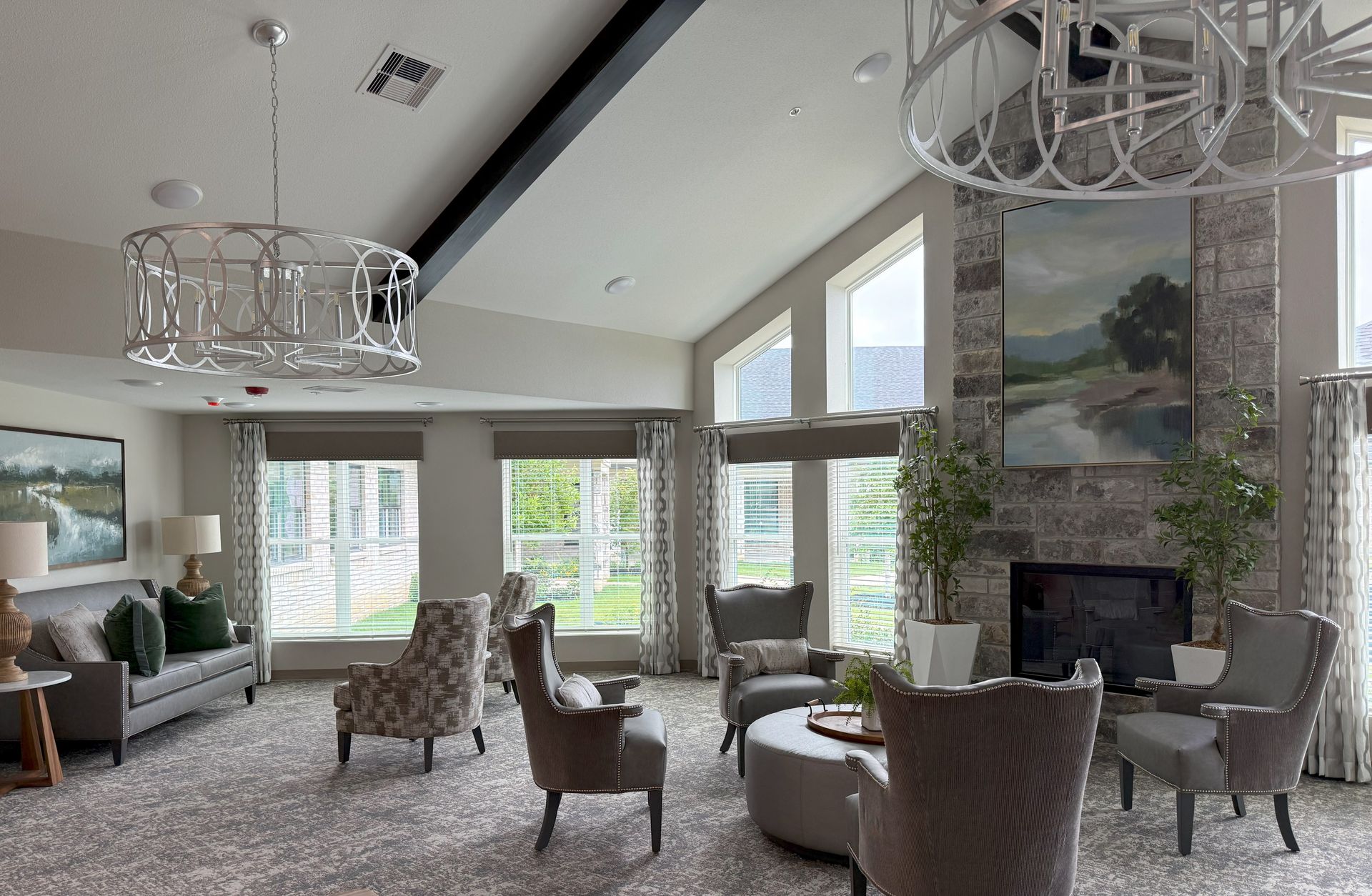
Trend 2: Lighting Design that Enhances Wellness and Cognitive Health
Proper lighting is a fundamental aspect of senior living design, directly affecting sleep, mood, and cognitive function. Circadian lighting systems that adjust brightness and color temperature throughout the day can significantly improve health outcomes.
- Mimicking natural daylight cycles promotes better sleep, reducing confusion and agitation, particularly in specialized memory support communities.
- Improved lighting design reduces fall risks and enhances wayfinding for residents with cognitive impairments.
- Although advanced lighting systems require an initial investment, they lead to long-term benefits, including reduced reliance on artificial stimulants and medications.
As senior living communities continue to emphasize wellness, dynamic lighting will play a key role in shaping more resident-centered environments.
Trend 3: Biophilic Design
Nature plays a vital role in senior living environments, reducing stress and enhancing mental well-being. Biophilic design incorporates natural elements such as wood, stone, and greenery to create restorative environments that support health.
- Indoor gardens, green walls, and raised planters allow residents to engage with nature year-round.
- Safe, accessible outdoor environments provide opportunities for socialization, physical activity, and relaxation.
- In specialized memory support settings, controlled outdoor access allows residents to enjoy nature while maintaining safety.
By integrating biophilic design principles, communities can enhance resident engagement, promote mental and emotional wellness, and support active lifestyles.
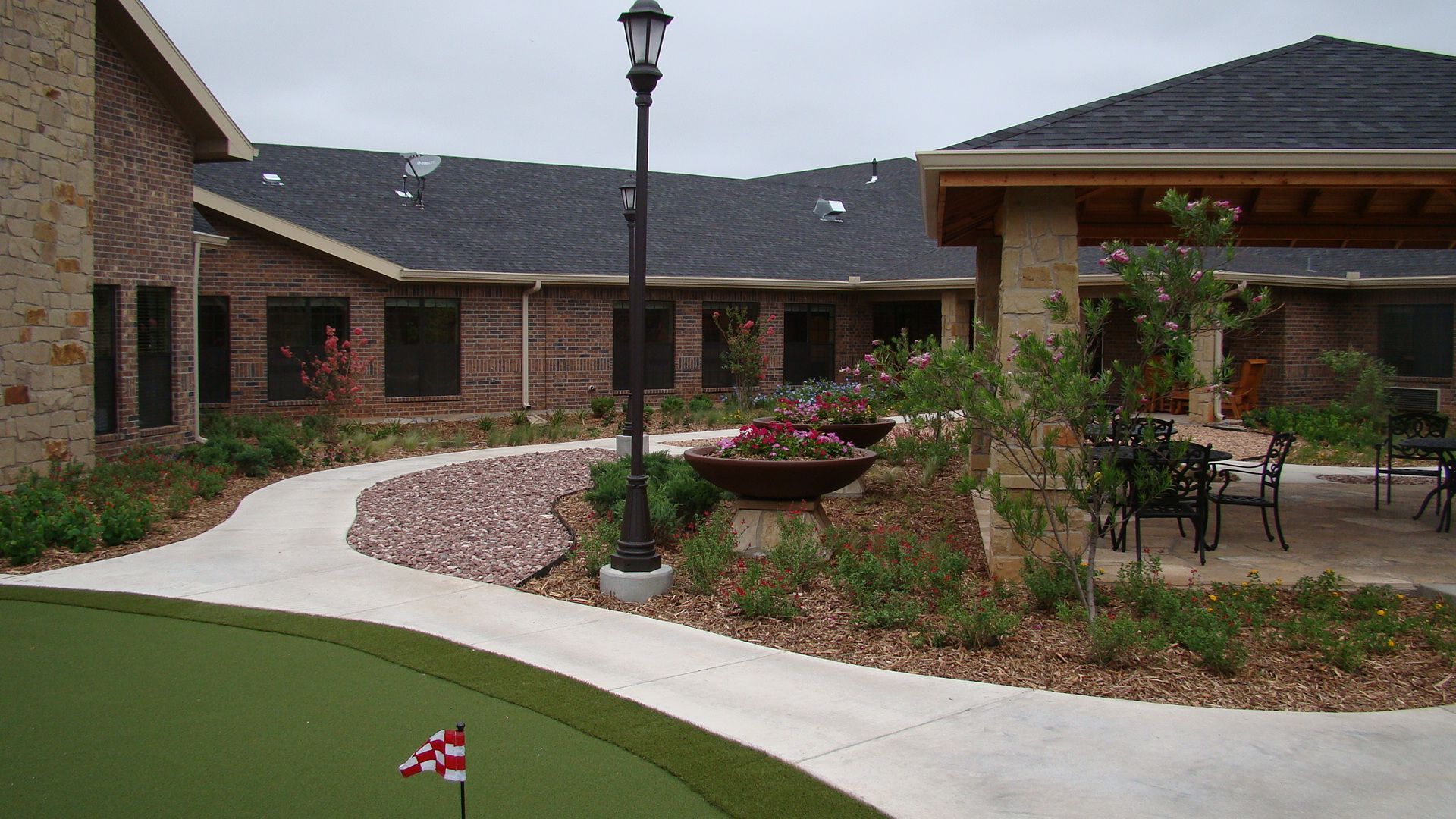
Trend 4: Technology and AI — From Safety Monitoring to Personalized Care
Technology continues to transform senior living environments, but the conversation has matured significantly. Where earlier innovations focused primarily on smart home convenience and safety monitoring, leading communities in 2026 are deploying AI to deliver genuinely personalized resident experiences.
- AI-supported tools now forecast health changes, triage clinical needs, and aggregate resident data to help care teams to intervene proactively rather than reactively.
- Communities are interviewing incoming residents to build personalized engagement and programming plans based on life history, hobbies, and individual interests. This a process will be increasingly supported by AI tools.
- Smart scheduling platforms and virtual workflows reduce administrative burdens on staff, freeing caregivers to spend more meaningful time with residents.
- Forward-thinking operators are forming dedicated AI task forces to govern how these tools are used — ensuring technology enhances, rather than replaces, the human connection at the heart of quality care.
The goal is clear: technology should always be in service of the resident experience. As AI capabilities grow, the communities that thrive will be those that treat these tools as a way to deepen human engagement, not diminish it.
Trend 5: Privacy, Space, and Residential-Grade Living Across All Care Levels
The shift away from institutional models is no longer limited to independent and assisted living. We are now seeing a meaningful push for privacy and residential scale even in more intensive care settings, including skilled nursing facilities.
- The market is increasingly requesting private rooms in skilled nursing — a significant departure from the shared-room model that has defined the sector for decades. Where local markets can support it, private units are becoming the standard that residents and their families expect.
- Residents of independent and assisted living communities are arriving from large homes with high expectations for space. Generous floor plans with dedicated dining areas, modern kitchens, balconies, and in-unit washer/dryers are becoming baseline expectations — not luxury add-ons.
- Two-bedroom units are gaining popularity, particularly for couples where one partner may require a higher level of care, allowing both residents to remain in a shared space that feels like home.
- Flexible unit configurations and customizable spaces allow residents to bring their own furniture, art, and routines, helping them maintain the identity and autonomy they’ve built over a lifetime.
The common thread across all of these shifts is dignity — the recognition that every resident, regardless of care level, deserves a space that feels genuinely theirs.
The push for private rooms and residential-grade units raises an important question for owners of existing communities: is a renovation the right path, or does the scope of change call for something more? We explore that decision in depth in our post, Nursing Home Renovation vs. Repurposing: What You Should Consider.
Trend 6: Increased Demand for Specialized Memory Support Design
With the increasing demand for specialized memory support communities, design strategies are evolving to better serve residents with cognitive impairments.
- Predictable layouts and visual cues reduce confusion and anxiety, creating environments where residents can move with confidence.
- Sensory stimulation amenities, including multi-sensory rooms and therapeutic gardens, promote engagement and calmness.
- Lighting, sound, and color contrast are carefully designed to improve wayfinding and reduce overstimulation.
As research continues to support the link between environmental design and cognitive health, the demand for evidence-based memory support environments is expected to grow. At Rheinlander, we approach every memory care project with both the clinical evidence and the human story in mind.
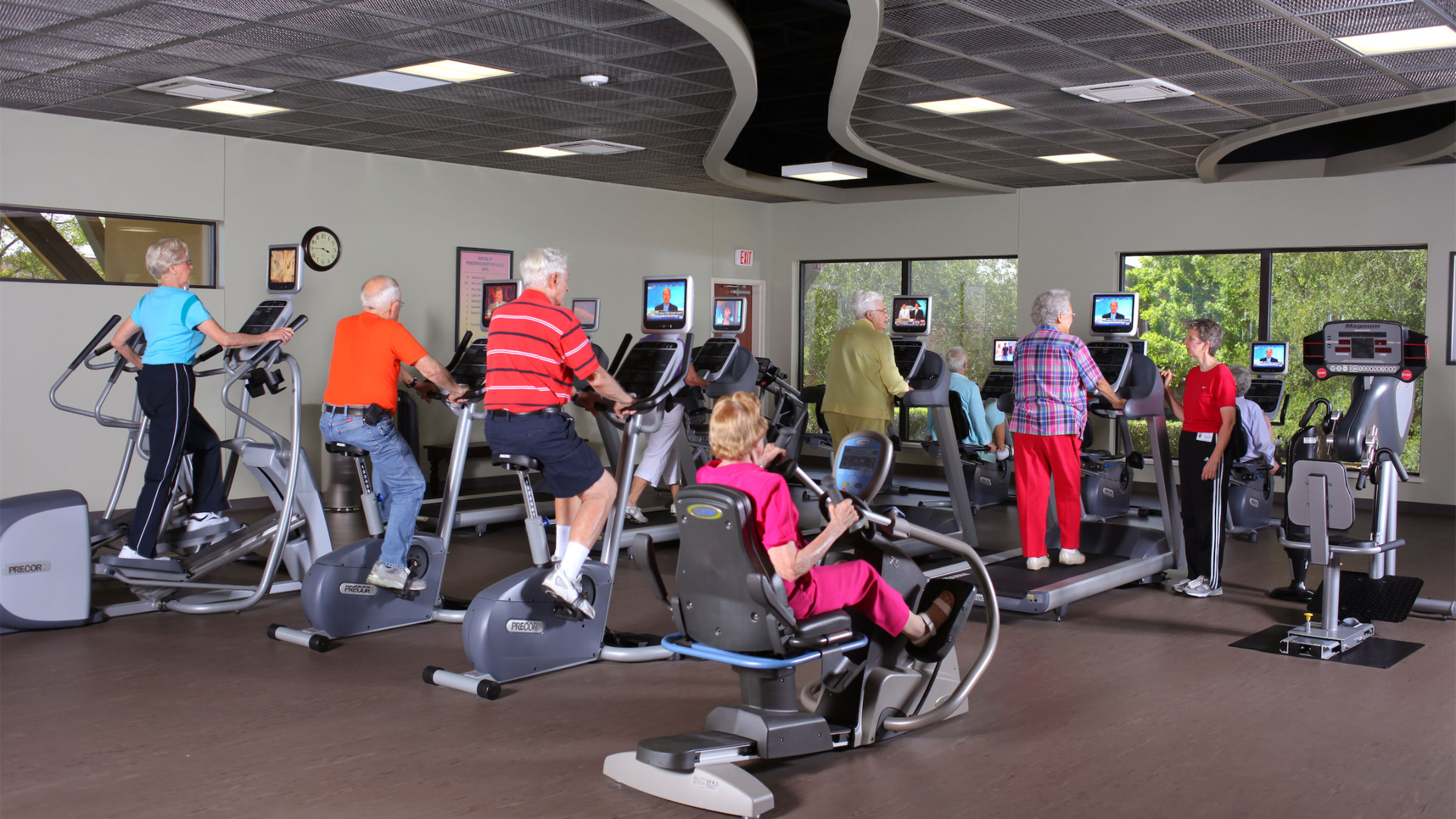
Trend 7: Wellness as a Lifestyle, Not Just a Service
Wellness has been a priority in senior living design for years, but in 2026 the definition has fundamentally expanded. Today’s incoming residents don’t view wellness as something that happens in a clinic or therapy room. For them, wellness is woven into how they live every day.
- Holistic wellness programs now address the physical, mental, and social dimensions of health as an integrated whole, not as separate services.
- Community designs are incorporating active lifestyle amenities that reflect this shift: pickleball courts, walking trails, fitness studios, and movement-based programming that reflects how residents already lived before they moved in.
- Wellness spaces are being designed with the same intentionality as clinical spaces because the evidence increasingly shows that social engagement, purposeful activity, and access to nature are just as important to long-term health as medical care.
- The language is shifting, too: “wellness” is no longer a synonym for “health services.” It’s a design philosophy that shapes everything from the layout of common areas to the programming calendar.
Communities that understand this shift — and design for it — will be far better positioned to attract and retain the boomer generation, for whom active, engaged living is a non-negotiable expectation.
Trend 8: Amenities as Social and Entertainment Destinations
The common area has grown up. Where earlier generations of senior living design offered a lounge, a library, and perhaps a beauty salon, today’s communities are being designed around destination-level amenities that give residents genuine reasons to engage and that create a distinctive sense of place.
- Golf simulators, bowling alleys, game rooms, and entertainment lounges are becoming more common in premium communities, reflecting the active, social lifestyles residents are arriving with.
- Designers are intentionally creating spaces where residents can host family and friends, including game consoles that grandchildren can enjoy alongside staff-organized events. The community becomes an extension of the resident’s social world, not a replacement for it.
- Smaller, more intimate dining venues are replacing large institutional dining rooms because residents and their families are looking for the warmth of a neighborhood restaurant, not the scale of a cafeteria.
- Multiple distinct gathering spaces — quiet reading rooms, lively social hubs, demonstration kitchens, outdoor courtyards — give residents the freedom to choose how and when they engage, preserving the autonomy that defines this generation.
When amenities are designed with intentionality and care, they do more than entertain — they create the conditions for genuine community. That’s always been at the heart of what we do at Rheinlander.
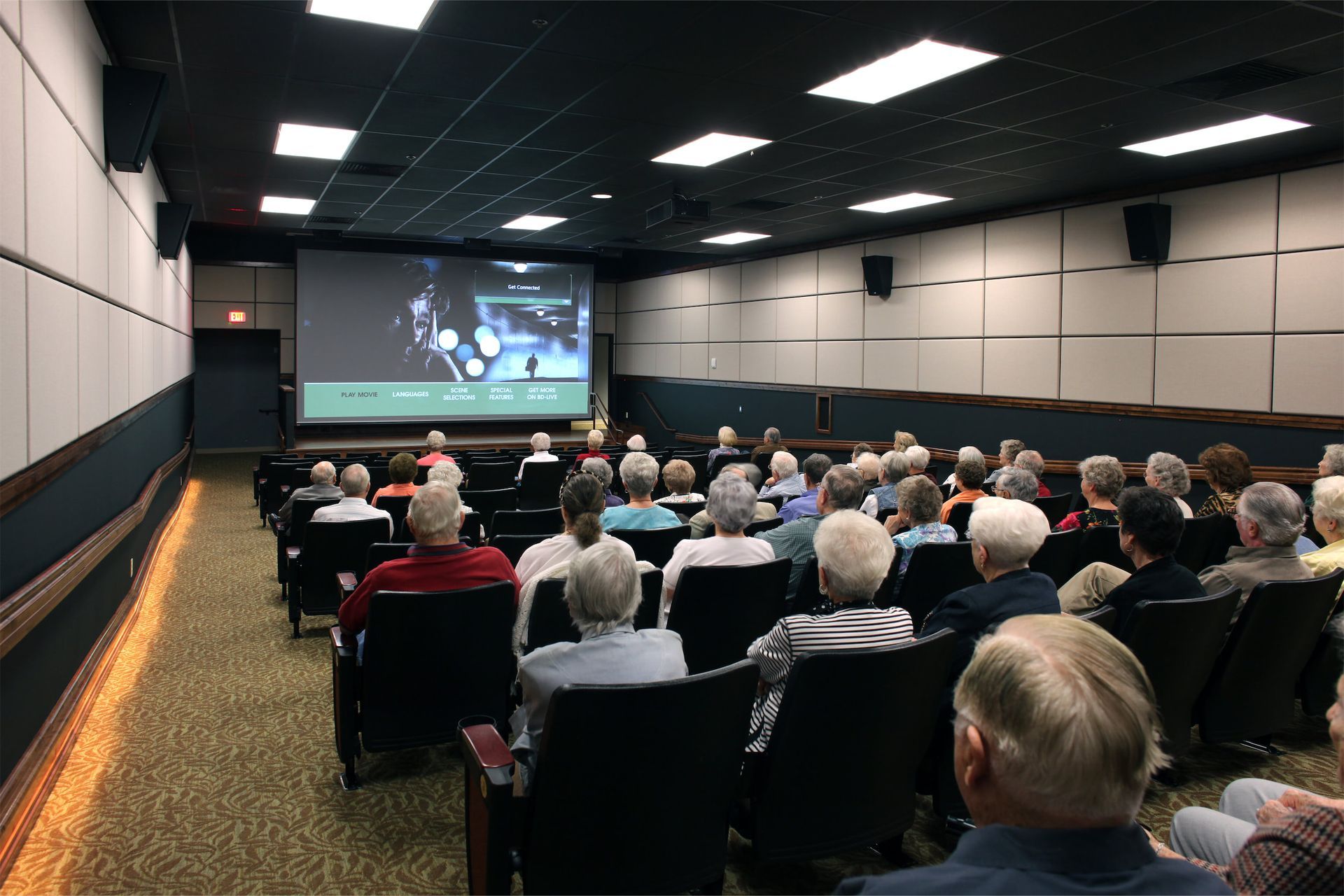
Shaping the Future with Senior Living and Care Design Trends
The senior living industry is entering a new era, where personalized environments, advanced wellness strategies, and technology integration define the future. The top senior living design trends for 2026 reflect the demand for autonomy, engagement, and sustainable practices in older adult communities.
At Rheinlander Architects, we are dedicated to creating resident-centered environments that support independence, dignity, and quality of life. Whether designing for independent living, assisted living, or specialized memory support, our team helps every project enhance well-being and community engagement.
If these trends are shaping the way you're thinking about your next project, the most important decision you'll make is who you bring on to design it. Our post, How to Choose the Right Architect for Your Senior Living Design Project, walks through the seven qualities that set great senior living architects apart — and the questions worth asking before you commit.
Ready to shape the future of senior living? Contact Rheinlander Architects and let us help transform your vision into reality.