How Long Does It Take to Build a Senior Living Community? A Step-by-Step Timeline
If you've ever asked, 'How long does it take to build a senior living home?', the answer is: It depends. Understanding why 'it depends' is exactly what will help you plan smarter.
From the moment you start searching for land to the day your first residents move in, a senior living project involves layers of decisions, consultants, regulatory hurdles, and purposeful design. For some smaller communities, the journey from concept to occupancy can be completed in about a year. For larger projects, those offering multiple levels of care, from assisted living and memory care to skilled nursing and rehabilitation services, the full timeline, including pre-development, can stretch to three years or more.
At Rheinlander Architects, we've guided clients through every phase of this process, and we've seen firsthand how much a well-informed owner or investor can protect their timeline and their investment. Engaging an experienced architect early in the pre-development phase can greatly improve the entire project timeline. This step-by-step guide walks you through what to expect at every stage, how long each stage could take, and where the most common surprises tend to show up.
Phase 1: Pre-Development and Feasibility
Before a single drawing is made, significant groundwork has to be laid. This phase is often the most variable in terms of time and the one most people underestimate.
For most projects, pre-development alone takes anywhere from 6 to 24 months, and in more complex situations involving contested rezoning or challenging financing, it can stretch to three years or more.
Demographic and Market Feasibility Study
Before purchasing land or selecting a site, a market feasibility study helps you determine whether the local population can support a senior living community, and what level of care that community should offer.
Will you be designing for assisted living residents who need some support with daily activities? Will you include rehabilitation services, skilled nursing, or memory care? Or does the market call for a more independent, residential model?
Understanding the level of care your community will provide is foundational. It shapes your licensing requirements, your staffing and payroll structure, your building program, and every design decision that follows. This analysis is worth completing before you commit to a site.
During this phase, your architect will be able to begin preliminary design work to identify rough estimates for project square footage and assist in developing a pro forma to aid in acquiring financing, if necessary.
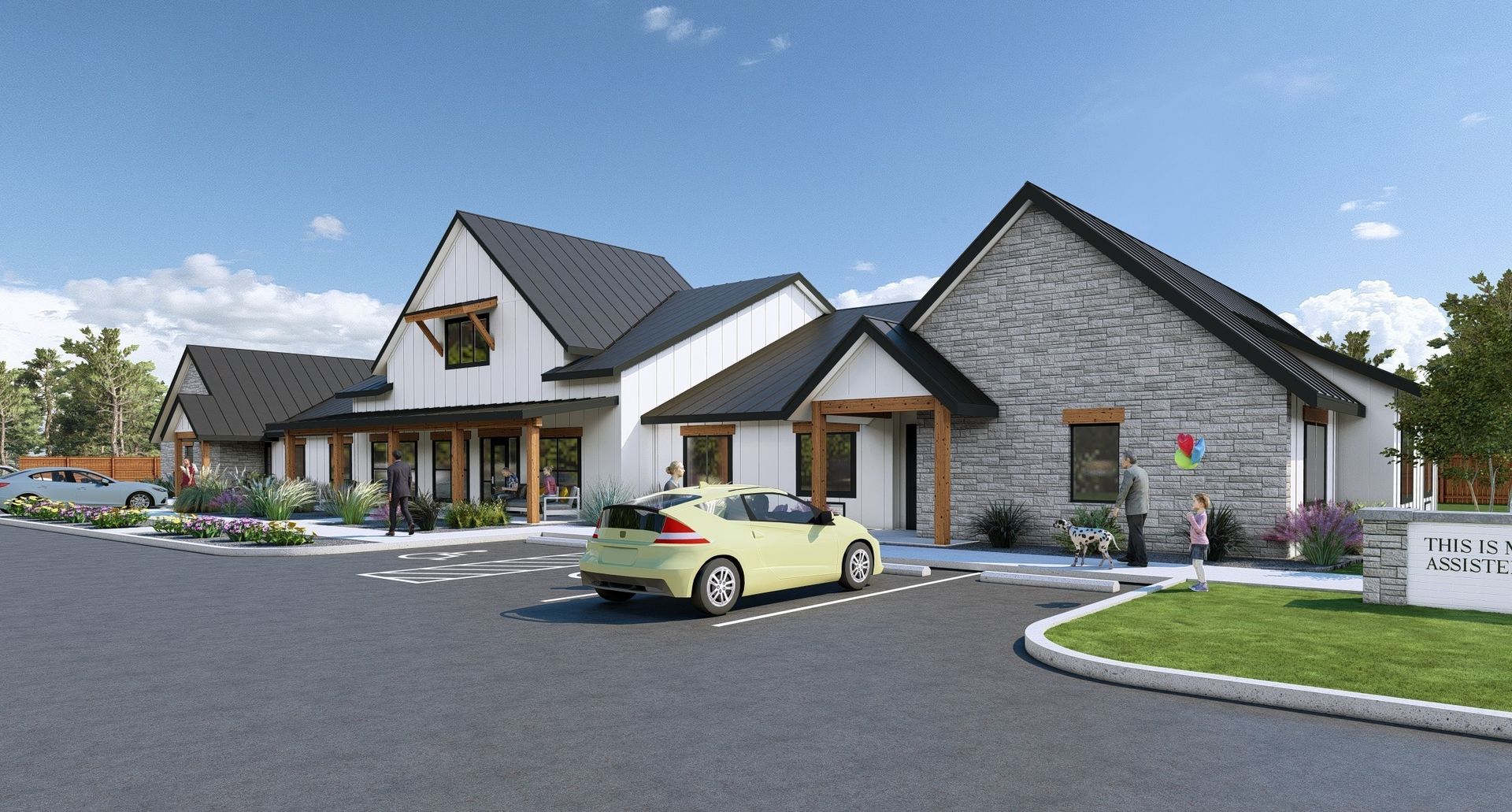
Land Search and Selection
Finding the right piece of property can take anywhere from a few months to a couple of years, depending on where you're building. In competitive markets, available land is scarce. In rural areas, you may find more options, but they come with their own complexities.
Zoning is almost always a factor to consider carefully. A property that seems ideal on the surface may require rezoning approval before your project can move forward, and that process involves navigating local municipalities, community stakeholders, and regulatory timelines that aren't always predictable.
Infrastructure access also matters more than many first-time developers expect. We've worked with clients whose preferred sites sat outside city water and sewer lines, which meant incorporating on-site solutions, backup generators, large-scale septic and water treatment systems, and water reserves, into the project scope and budget.
The practical takeaway: don't budget a fixed timeline for land selection. Instead, treat it as a process with many variables, and factor the possibility of an extended search into your overall planning.
“Finding the right land is one of the most location-dependent parts of this whole process. The time it takes varies so much based on where you are — what's available, what's zoned correctly, what's actually buildable. These are things you need to consider in your process."
- Michael Rheinlander, Principal Architect of Rheinlander Architects
Business Structure, Licensing, and Financing
Land is usually purchased under a business entity, so prior to land selection, you'll want to establish the legal structure of your business and consult with a business attorney. Running parallel to this, you'll want to begin exploring licensing requirements for the type of community you're developing. Licensing in senior living is closely tied to the level of care you'll provide, so decisions made at this stage have real downstream implications.
Financing deserves its own conversation and its own timeline buffer. Whether you're working with a single investor or assembling a larger funding structure, we've seen financing come together in as little as a month and take a year or longer. Securing funding early and keeping those conversations active throughout your planning process is one of the most effective things you can do to protect your overall timeline.
If you're also thinking through the financial side of your project, our guide to Understanding How Much It Costs to Develop a Senior Living/Care Project is a helpful next step.
Phase 2: Land Entitlement and Due Diligence
Once you've identified a promising site, the due diligence and entitlement process begins. This is where a civil engineer and often a land attorney become essential partners.
An experienced architect will have a robust network of project partners, like civil engineers and attorneys, which can help in streamlining the overall project timeline. The civil engineer will assess the site for constraints: grading, drainage, utilities, and infrastructure connections. The land attorney will review title records, easements, and existing deed restrictions that could limit how the property can be used.
If rezoning is required, your purchase is often contingent on that approval being granted. The rezoning process itself can move smoothly with the right support or it can take many months, depending on local politics, neighboring property concerns, and municipality responsiveness.
Once all the pieces align, the property purchase typically takes one to two months to close.
Phase 3: Assembling Your Project Team
One of the most impactful decisions you'll make is when you bring your architect into the process.
Our recommendation: earlier than you think.
Assembling your project team isn't a phase you complete and move on from. It's something that should begin as early as possible, ideally during your feasibility study, and continue to evolve through design and construction.
During land selection and feasibility, your architect can help you evaluate whether a particular site will accommodate your vision. We can estimate the square footage you'll need, sketch the general building footprint, and flag potential site constraints before you're financially committed to a property. That early alignment saves significant time and prevents costly surprises down the road. Additionally, this preliminary programming work undertaken by your architect will be used to assist in developing a proforma necessary for acquiring financing for the project.
Beyond your architect, a full senior living project typically involves a civil engineer, structural engineer, MEP (mechanical, electrical, and plumbing) engineers, interior designers, landscape architects, and in some cases, healthcare licensing consultants. Building this team thoughtfully, and choosing consultants with direct experience in your municipality, can have a meaningful impact on your permitting timeline later.
Phase 4: Design
Typical design timeline: 12 months, depending on project size and complexity.
The design phase is where your vision becomes a buildable plan and where the quality of early collaboration pays off most.
Schematic Design: The Most Critical Collaboration Window
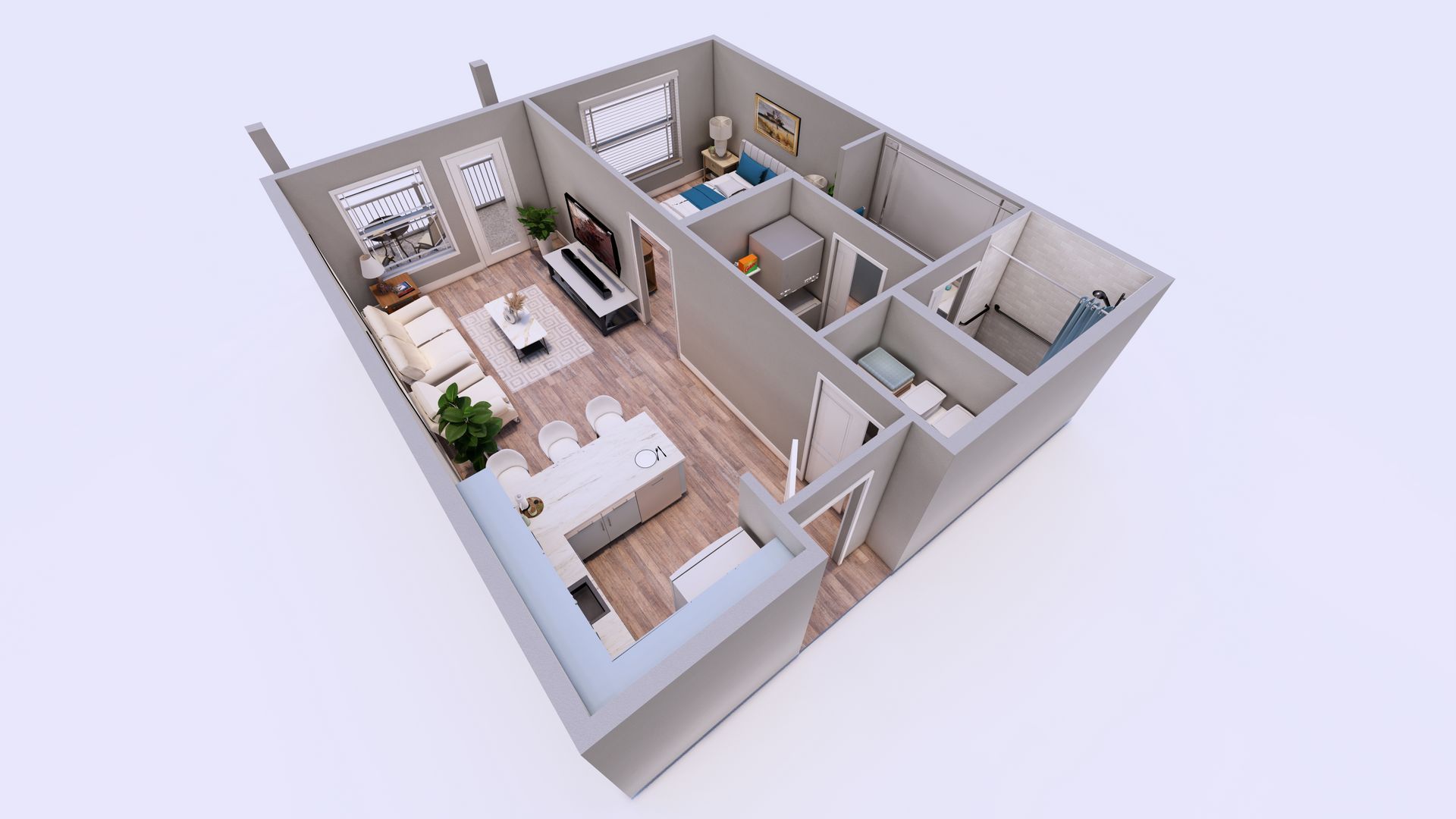
This is the phase where we work most closely with clients to establish the goals, priorities, and program of the project. How many beds? What living spaces will support resident wellness, community interaction, and daily independence? How should the layout balance private bedroom and bathroom configurations with shared amenities like dining, activity rooms, and kitchen areas?
Accessibility is a design priority from the very beginning, not an afterthought. Hallway widths, doorway clearances, ADA-compliant bathroom layouts, and the placement of grab bars and support features are all considered in the context of creating living spaces that feel warm and residential, not clinical. Well-designed accessibility features blend seamlessly into a space, supporting resident dignity and autonomy rather than calling attention to limitations.
We also work with clients to personalize the design to their community's unique identity — the character of the neighborhood, the preferences of their target residents, and the operational style of their care team. A community that reflects its residents' lives and values is one they'll be proud to call home.
“The more we can communicate upfront — the more the client tells us what they want, and we explain why we're designing things the way we are — the better the outcome. Proper decisions made early, with proper input, understanding, and guidance, protect the entire project."
- Paul Rheinlander, Principal Architect of Rheinlander Architects
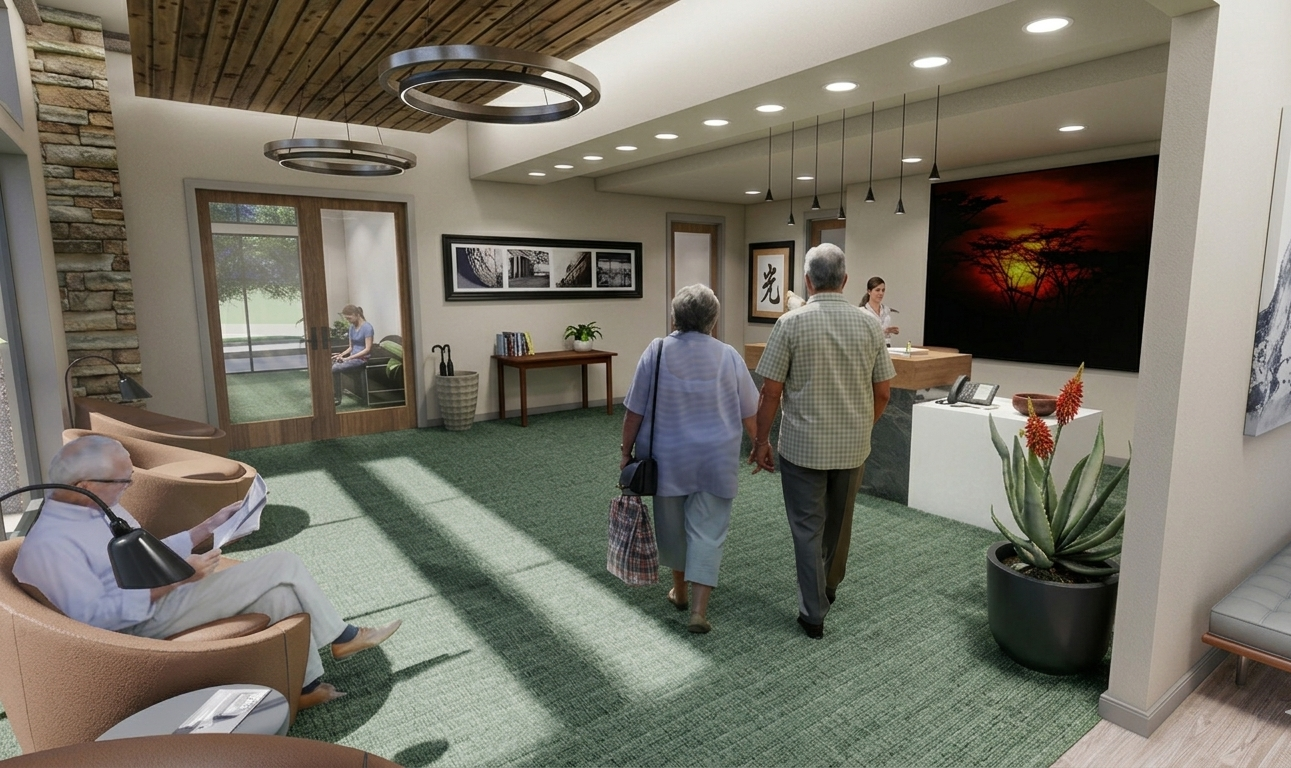
Design Development and Construction Documents
As the design is refined, all systems are coordinated and specifications are finalized. This includes fire safety systems, emergency egress planning, kitchen and laundry infrastructure, and everything required to ensure compliance with state and local building codes, ADA standards, and healthcare licensing requirements.
This coordination stage is also where late-stage changes become most costly, not just in fees, but in time. A change that seems minor to an owner, adjusting a corridor, relocating a hallway, or reconfiguring a bathroom, can ripple across 10, 20, or even 30 sheets of drawings when you account for all the systems it touches: structural, mechanical, electrical, plumbing, and fire safety.
The message isn't that changes are impossible — they're part of every project. The message is that investing in thorough, decisive engagement early in design is one of the most effective ways to protect your budget and your schedule.
For a closer look at what happens inside the design phase and how your architect brings your vision to life, read our
Senior Care Design Process: A Step-by-Step Guide for Developers.
Phase 5: Permitting
Typical timeline: Highly variable, anywhere from a few weeks to 18+ months.
Permitting is where timelines can stretch in ways that are genuinely difficult to predict.
Reviewers examine everything from structural and fire safety systems to ADA accessibility compliance and ensure the project meets all applicable code requirements before construction can begin. The architectural portion of this review is generally more straightforward. The civil and site permitting process is where most significant delays occur.
Local municipalities vary enormously in how they process applications, what they require, and how consistently they communicate their expectations. A civil engineer who has worked extensively in a given jurisdiction, who knows the reviewers, understands the unwritten preferences, and has navigated the inspection and approval process successfully before, is worth their weight in gold.
We've seen civil permitting resolved in weeks with the right team in place, and we've seen it stretch to 14 or 18 months with a less experienced approach.
A final note on approvals: once construction wraps, the Authority Having Jurisdiction (AHJ) performs its inspections before issuing a certificate of occupancy, and for senior living, licensure sign-off happens in the same window. Budget about a month for this final round of inspections and approvals before residents can move in.
Phase 6: Construction
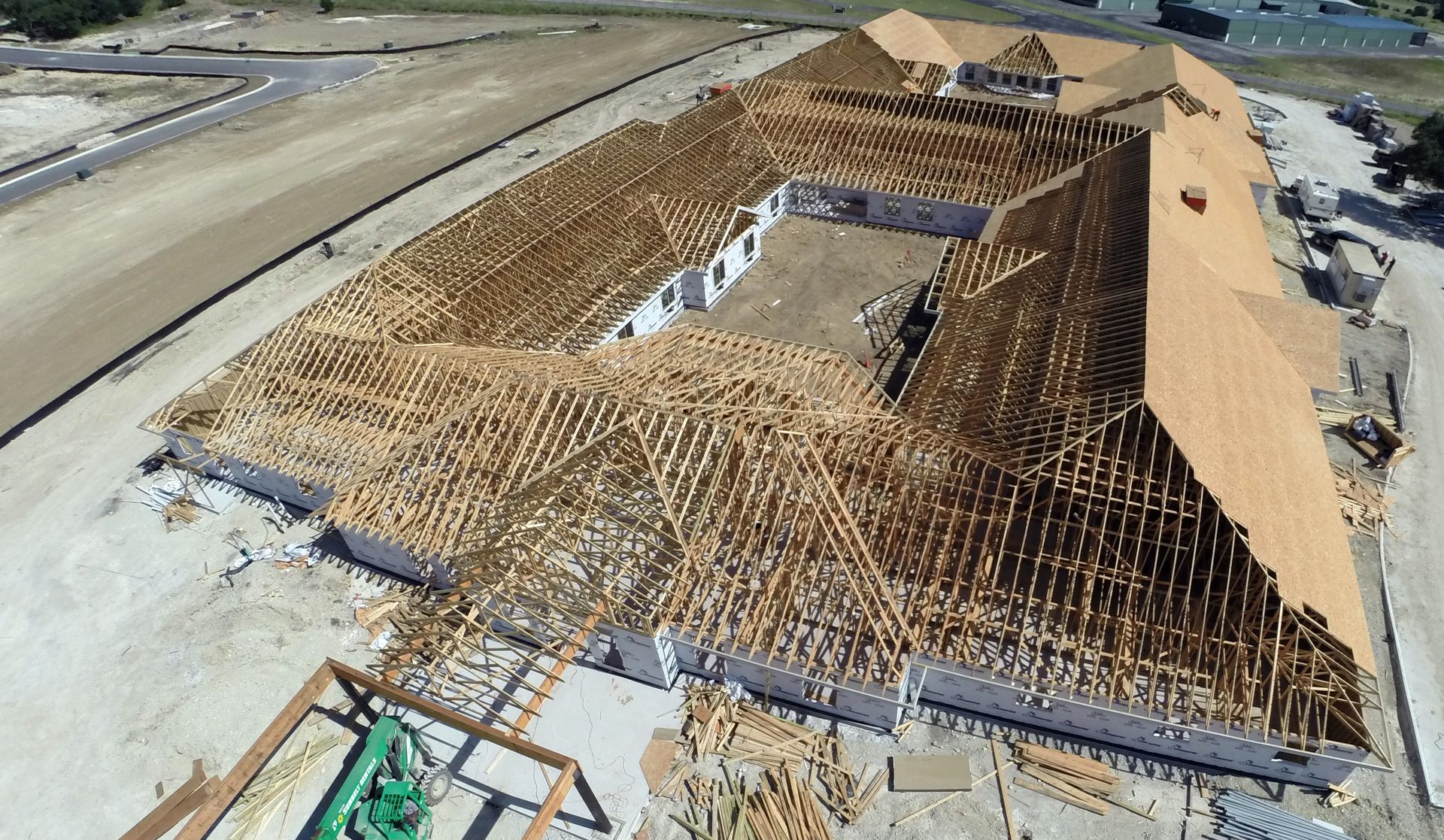
Typical timeline: 9 months (small facility) to 18+ months (large facility), larger CCRC's (aka Life Plan Communities) can take up to 30 months..
Once permits are in hand, construction begins. For a small assisted living community of around 16 beds, construction typically takes about nine months. For a larger nursing home or senior living campus approaching 80,000 square feet, plan for approximately 18 months before occupancy.
Common Construction Delays to Plan For
Weather is the most common early construction delay, particularly during site work and foundation phases. Rain, extreme cold, and occasionally extreme heat can slow progress in ways that are difficult to predict with precision.
Material lead times are another factor that deserves early attention. Supply chain conditions have fluctuated significantly in recent years and continue to vary. Cold-formed steel trusses, for example, at the time of writing this, carry lead times of six to nine months in some markets, which means material selection decisions made during design can directly determine whether your construction schedule holds.
As construction progresses through rough framing, mechanical and electrical rough-ins, and interior finishes, including bedroom and bathroom installations, hallway flooring and handrails, kitchen equipment, and fire safety systems, your contractor will coordinate a series of inspections to ensure compliance at every stage. Building in time for these inspections, and ensuring your team is prepared for them, keeps the project moving without unexpected stops.
Our approach is to stay informed about what's happening across the supply chain while we're designing, so we can make specifications that keep your project on a realistic schedule.
Timeline at a Glance
| Project Type | Design | Construction | Est. Total (excl. pre-dev) |
|---|---|---|---|
| Small assisted living (~16 beds) | ~2.5 months | ~9 months | ~1 year |
| Mid-size community | ~3–4 months | ~12–15 months | ~18 months |
| Large nursing home (~80,000 sq. ft.) | ~3–6 months | ~18 months | ~2 years |
| Continuing Care Retirement Communities | ~6–12 months | ~18–30 months | ~4 years |
Note: These timelines reflect design and construction only. Add 6 months – 3+ years for pre-development activities including land search, financing, feasibility, and entitlement.
How to Keep Your Project on Schedule
Across every project we've worked on, the same principles consistently support a smoother, faster, more predictable timeline:
- Involve your architect during feasibility and land selection — not after. Early input prevents costly site surprises.
- Define your level of care and licensing requirements early — they shape your entire building program.
- Make decisions early and decisively. Late-stage changes to living spaces, hallway layouts, or bedroom and bathroom configurations are expensive and introduce coordination risk.
- Choose civil engineers with proven experience in your specific municipality. Their relationships and familiarity with the local inspection process matter.
- Start the financing conversation early with your investor or lending partners — it's often the longest variable in the entire process.
- Prioritize ADA accessibility and fire safety compliance from day one of design to ensure compliance throughout permitting and construction.
- Understand current material lead times before finalizing design specifications.
- Build a realistic buffer into your timeline and your budget — and treat that buffer as a planning tool, not a failure of planning.
The Right Partner Makes the Difference
Building a senior living community is one of the most complex and meaningful projects a developer or owner-operator can undertake. The timeline is long, the decisions are layered, and the stakes — in terms of the lives your community will shape — are high.
At Rheinlander Architects, we believe that the most important thing we can do for our clients is help them understand what's ahead. Not to make the process seem daunting, but to give them the confidence that comes from knowing exactly what to expect — and having a team that's navigated every phase of it before.
If you're in the early stages of planning a senior living community and want to talk through your vision, your timeline, and your next steps, we'd welcome the conversation.
Frequently Asked Questions
How long does it take to build a senior living community from start to finish?
The full timeline — from initial feasibility through move-in day — typically runs 2.5 to 5 years for most ground-up projects. Pre-development alone (land search, feasibility, entitlements, and financing) generally takes 12 to 24 months. Design adds another 2.5 to 6 months, and construction ranges from 9 months for a small assisted living community to 18 months or more for a large nursing home or multi-level care campus.
What is the single biggest cause of delays in a senior living project?
Entitlements and permitting are the most common culprits — specifically the civil and site permitting process. Municipal review timelines vary enormously, and projects in jurisdictions with complex rezoning requirements or government agency coordination (such as BLM land) can see this phase stretch to a year or longer. Late-stage design changes are a close second: a change that seems minor can ripple across dozens of drawing sheets and introduce coordination errors that are time-consuming to resolve.
Do I need to hire an architect before I find land?
Ideally, yes, involving your architect during the land search process is strongly recommended. An experienced senior living architect can evaluate whether a given site will accommodate your vision, estimate the building footprint and square footage you'll need, and flag potential red flags before you commit financially to a property. That early input can prevent costly surprises down the road and save significant time.
Does the level of care I offer affect my development timeline?
Yes, meaningfully. Communities offering skilled nursing or rehabilitation services are subject to Certificate of Need (CON) requirements in many states, which adds a separate regulatory review process that can take 6 to 18 months. Higher levels of care also carry more complex licensing requirements, which vary significantly by state and should be researched early in your planning process.
How long does permitting take for a senior living facility?
It varies widely, from a few weeks in straightforward situations to 18 months or more in complex ones. The architectural portion of permitting is generally more predictable. Civil and site permitting is where most significant delays occur, and the experience of your civil engineer in navigating your specific municipality can make an enormous difference in how quickly this phase moves.
When should I start the financing process?
As early as possible. Financing is one of the most variable phases in the entire development process. We've seen it come together in a month and take well over a year. Conventional construction loans typically take 3 to 6 months to close, while HUD 232 loans ( a common choice for senior living) often take 8 to 12 months. Starting the conversation with lenders and investors while your feasibility study and entitlement work are still underway gives you the best chance of keeping your overall timeline on track.
What's the difference in timeline between a small assisted living and a large nursing home?
Quite significant on the construction side. A small assisted living community of around 16 beds can be designed in approximately 2.5 months and built in about 9 months — a total of roughly one year from design start to occupancy. A large nursing home approaching 80,000 square feet typically requires 3 to 6 months of design and approximately 18 months of construction, putting the design-to-occupancy window at close to two years. Add pre-development time to both, and the full timeline extends considerably from there.
How can I keep my senior living project on schedule?
The most impactful things you can do are: involve your architect early (during land selection, not after), make design decisions decisively and avoid late-stage changes, choose consultants with local municipality experience, start financing conversations as early as possible, and understand current material lead times before finalizing your design specifications. Building realistic schedule contingency into your plan from the beginning — rather than assuming best-case timelines — is also one of the most effective things an owner can do.