Designing for Staff Efficiency in Senior Living Spaces: A Design Strategy for Retaining Nursing Home Staff
Across the senior living industry, staffing challenges continue to shape daily operations, resident experience, and long-term viability. High turnover and rising employer fees tied to recruitment, onboarding, and training are placing increasing pressure on these businesses.
While recruitment and compensation often dominate conversations about employee retention, one critical factor is frequently overlooked: the physical work environment staff experience every day.
Thoughtful design plays a direct role in reducing burnout, improving workflows, and supporting long-term retention strategies. It is also a meaningful answer to a question many operators are asking right now: how to retain nursing home staff in an environment facing persistent staffing shortages and rising turnover rates.
At Rheinlander Architects, we view staff efficiency as inseparable from resident well-being. When caregivers, including nursing assistants and support staff, are supported by intuitive, well-planned environments, they are better able to focus on what matters most: delivering consistent, compassionate care in a sustainable way.
Why Staff Retention is a Design Issue, Not Just an Operational One
Staff turnover in senior care is costly, disruptive, and emotionally taxing for both residents and caregivers. Each new hire requires time, training, and adjustment, and frequent changes in staff can undermine the sense of trust residents rely on.
“It's very hard to keep staff around, and that's important because staffing is expensive—training the staff, dealing with turnover. But continuity is so helpful for the residents. It's good for their health to know who they're interacting with on a daily basis. It makes them feel comfortable and secure.”
- Paul Rheinlander, Founder of Rheinlander Architects
One common design issue that impacts staffing is poorly designed layouts, which increase walking distances, create bottlenecks, and force staff to spend valuable time away from residents. Over time, these inefficiencies contribute to fatigue, frustration, and burnout, directly affecting retention rates. Designing with staff needs in mind sends a clear message that their time, energy, and expertise are valued.
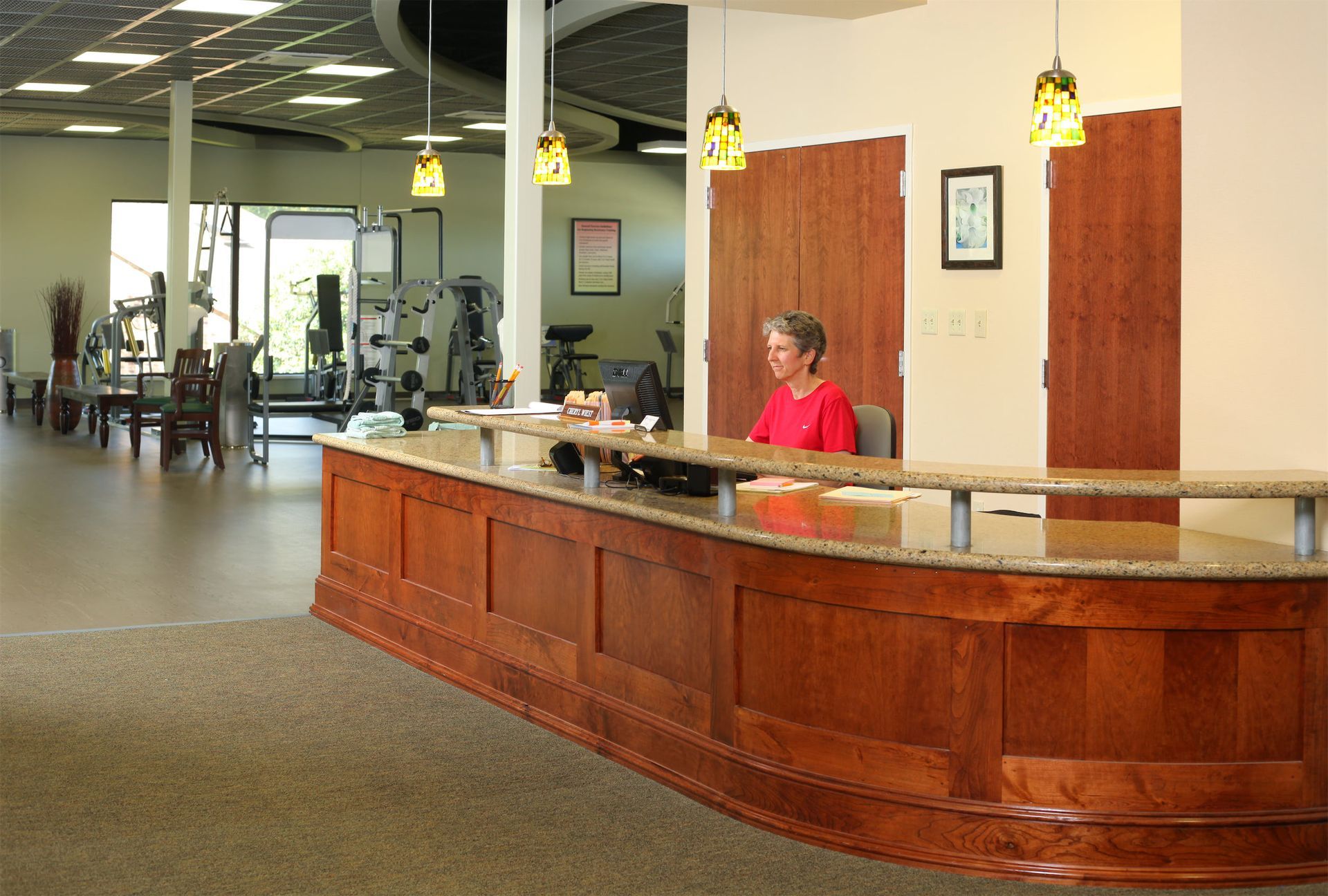
Designing to Reduce Steps, Fatigue, and Daily Friction
“When I think about staffing, it's all about steps. I don't want caregivers and staff to have to travel long distances to get from here to there.
- Michael Rheinlander, Principal Architect of Rheinlander Architects
One of the most effective ways to improve staff efficiency is by reducing unnecessary movement. Every extra step adds up over the course of a shift, a week, and a career, turning what seems like a minor inconvenience into a major contributor to fatigue and burnout.
Distributed support spaces are a key solution to this issue. Instead of centralizing clean and soiled linen rooms, storage, and utility areas in one location, placing them within each wing allows staff to access what they need without walking long hallways or needing to get to another floor for supplies. This localized approach supports daily operations and helps implement effective retention strategies by reducing exhaustion and inefficiency.
This approach mirrors the logic of a well-designed kitchen, where tools and appliances are positioned to support a smooth workflow rather than constant backtracking. Just as in a functional kitchen, efficient staff areas keep everything within reach, allowing caregivers to move through their tasks with minimal interruption.
Beyond efficiency, this localized staffing model creates a more home-like atmosphere. When staff activity is contained within smaller “neighborhoods” rather than spread across an entire building, there is less visible operational movement in resident areas. Residents see smaller carts, less traffic, and fewer disruptions, all of which contribute to a calmer, more residential environment.
By minimizing travel distances and keeping essential resources close at hand, design can significantly reduce physical strain while improving response times and care quality.
Clear Sightlines that Support Proactive Care
Visibility is another powerful design tool. Clear sightlines allow staff to monitor residents naturally, without relying solely on alarms or constant check-ins. Effective design considers how staff can maintain visual oversight of corridors, common areas, and bedroom doors from key locations like nurse stations or activity spaces.
In memory care settings, continuous corridor loops help residents move comfortably without encountering dead ends that can cause confusion or anxiety.
“People with Alzheimer's and dementia tend to wander, they will go down to the end of a corridor and then they want to try to figure out, 'Okay, where's the door? How do I get out?' That sense of being lost can create distress."
- Michael Rheinlander, Principal Architect of Rheinlander Architects
Looped corridors eliminate these frustrating moments while easing staff workload. For caregivers, this means fewer redirections and less time spent managing resident confusion or distress.
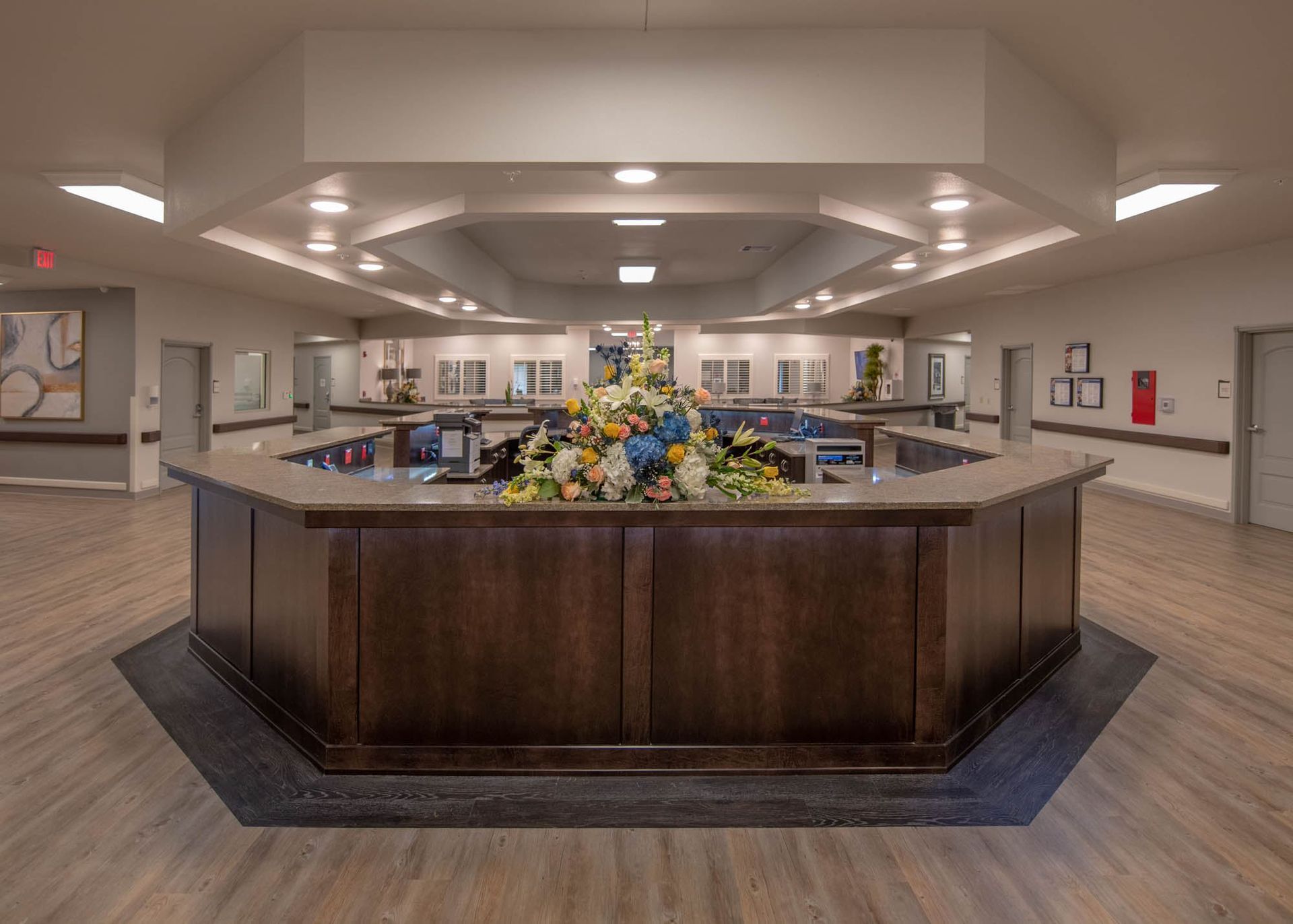
In assisted living and skilled nursing environments, thoughtfully placed auxiliary nurse stations within neighborhoods allow caregivers to stay connected to residents while remaining discreet and unobtrusive.
Rather than creating a highly visible central station, these smaller, tucked-away stations are positioned strategically so everyone knows where they are, but they don't dominate the visual landscape. This approach leaves the area feeling homey and residential rather than institutional.
While cameras can supplement visibility in certain areas, particularly in memory care or remote spaces, direct line of sight remains the gold standard. Cameras have become more discreet over time, and residents are increasingly accustomed to their presence. However, operators and designers alike recognize that personal, direct observation is more effective and reassuring than relying solely on surveillance technology.
When staff can easily see what is happening around them, small issues are addressed early, reducing the likelihood of time-consuming and even dangerous emergencies later.
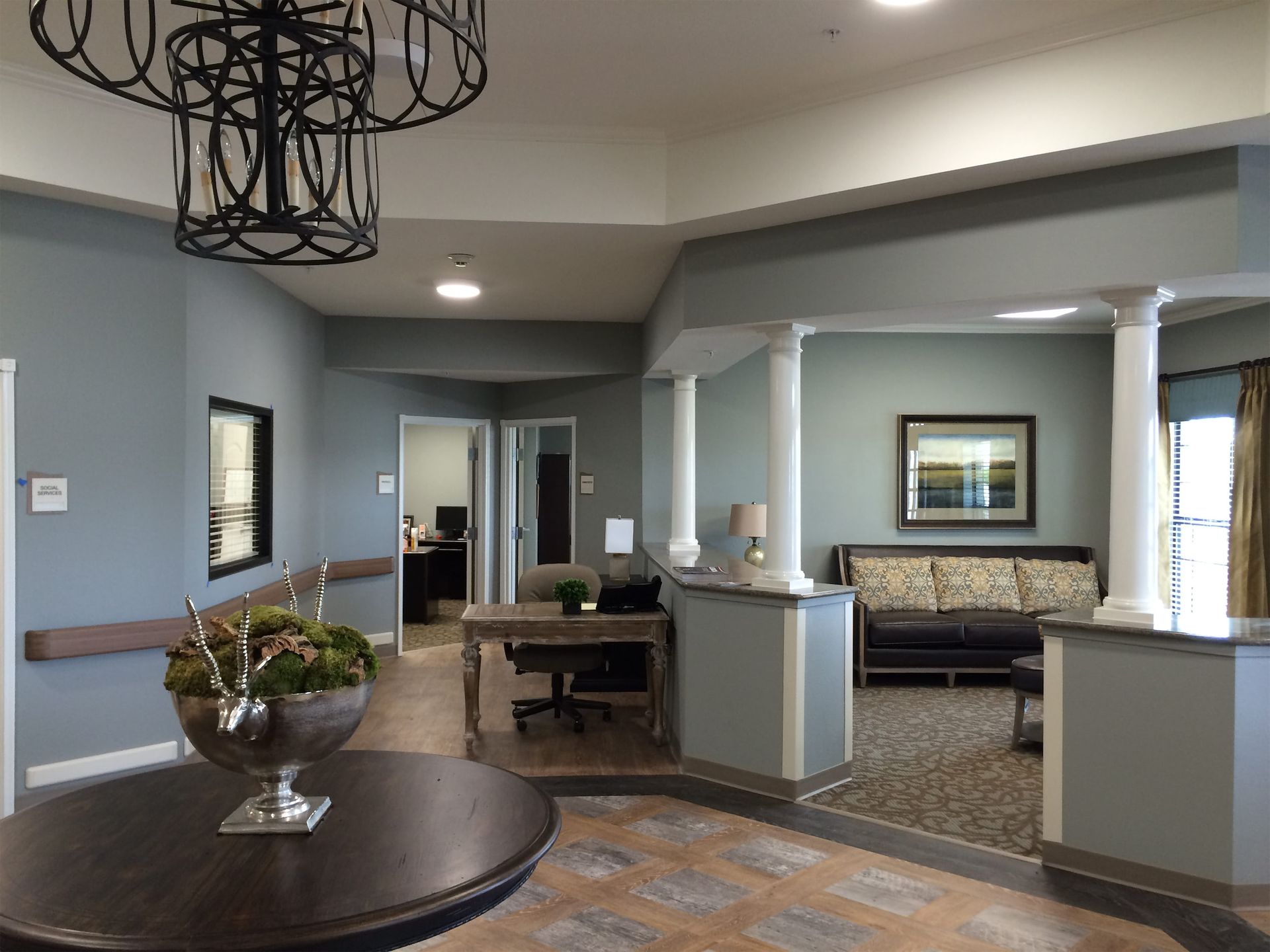
Separating Resident Experience From Back-of-House Operations
Efficient senior living design carefully balances openness with separation. Residents benefit from calm, residential environments, while staff need clear, functional back-of-house zones that support their work.
Hidden service corridors, discreet staff access points, and well-defined zoning keep operational activity out of resident-facing areas. Service doors, mechanical rooms, electrical equipment, and other support infrastructure are deliberately kept out of sight and inaccessible to residents. This preserves dignity and comfort for residents, and allows staff to move efficiently without feeling on display or constrained by public spaces.
The result is a smoother operation that feels less stressful for everyone involved. Staff can focus on their work without navigating around residents in shared spaces, and residents experience an environment that feels genuinely residential rather than institutional.
Technology is a Support Tool, Not a Substitute for Good Design
Technology can enhance staff efficiency, but it works best when layered onto a strong architectural foundation. Tools such as fall detection systems, predictive behavior monitoring, and staff notification devices can help caregivers anticipate needs rather than react to crises.
One particularly valuable technology involves predictive pattern recognition. Many residents establish routines, particularly at night. For example, a resident may consistently get out of bed between 1:00 and 1:30 AM.
Monitoring systems can identify these patterns and alert staff in advance, allowing caregivers to position themselves nearby and provide assistance before a fall or other incident occurs. These notifications are delivered directly to wearable devices worn by staff, making it easy to respond quickly without disrupting other residents.
Another innovative technology gaining attention is fall defense flooring, such as systems offered by Viconic Health. Originally developed for military vehicles to absorb impact from explosions, this flooring technology is now being adapted for senior living environments.
Installed beneath standard flooring, it distributes impact forces across a wider area, reducing the severity of fall-related injuries by up to 83%. While budget constraints often lead to this technology being value-engineered out of projects, it represents an important option for operators prioritizing resident safety and long-term liability reduction.
Lighting strategies also play a role.
Circadian rhythm lighting supports healthier sleep patterns for residents, particularly in memory care. This technology adjusts the color temperature of lighting throughout the day to mimic natural sunlight, starting with bright, cool-toned light in the morning, transitioning to warm, amber tones in the evening.
“Our bodies instinctively respond to these shifts, releasing chemicals that support restful sleep. We've found it pretty successful in helping people calm down at night, especially in memory care."
- Paul Rheinlander, Founder of Rheinlander Architects
Better-rested residents tend to be calmer and more engaged during the day, which directly reduces the emotional and physical demands placed on staff. When residents sleep well, they are less likely to wake confused or agitated, meaning fewer nighttime incidents and less strain on overnight caregivers.
Another technology includes wearable devices and mesh networks that track the location of both residents and staff throughout the building. While this level of monitoring may seem intrusive, it offers significant operational benefits. Staff accountability improves, response times are faster, and administrators can identify potential problems, such as a staff member or resident spending an unusual amount of time in a stairwell or isolated area. These systems also support efficiency by helping managers understand movement patterns and optimize staffing allocations.
Ultimately, technology should reinforce good design, not compensate for inefficient layouts.
Staff-Only Spaces That Support Well-Being and Retention
When discussing how to retain nursing home staff, it is impossible to ignore the importance of restorative spaces. Wellness programs, flexible scheduling, mentorship, and recognition programs all matter, but the physical environment must support those initiatives.
Well-designed staff break rooms with access to daylight, views, or outdoor spaces provide more than a place to eat lunch. They signal respect. Too often, staff break rooms are afterthoughts: interior rooms with no windows, minimal comfort, and little consideration for the people who spend their days caring for others.
As discussed in Practical Green Senior Living Design: Small Steps, Big Impact, healthier, more thoughtfully designed environments contribute to better daily experiences for everyone—staff included—while supporting long-term sustainability goals.
But when operators prioritize staff spaces, designing break rooms with natural light, comfortable seating, exterior walls with windows, or even access to a small porch, the message is clear: staff well-being matters.
Quiet, comfortable environments where caregivers can decompress help reduce stress and improve morale. Some facilities even extend amenities like fitness areas or wellness rooms to staff use, recognizing that caregivers need opportunities to care for themselves as well. Over time, these seemingly small design choices contribute to higher job satisfaction and lower turnover.
Operators who embrace a holistic view, who see the connection between staff environment, retention, and resident outcomes, tend to create the most successful, sustainable senior living communities.
Learning from Nurses During the Design Process
No two senior living operations function exactly the same, which is why collaboration is essential. Input from nursing staff, housekeeping, maintenance teams, and operators offers valuable insight into daily workflows and long-standing challenges.
At Rheinlander, we conduct focus groups with staff from different departments—kitchen, laundry, general maintenance, and caregiving teams—to understand their specific needs and preferences.
People develop habits over decades of work, and there are often multiple valid approaches to solving the same problem. The challenge is balancing respect for established workflows with awareness of current industry trends and emerging best practices.
As explored in How Listening to Stakeholders Leads to Better Senior Living Design, meaningful engagement during the design process results in spaces that are more responsive, adaptable, and successful over time.
Sometimes staff have been doing things the same way for thirty years, and while that approach has worked for them, it may not be the most efficient or adaptable solution moving forward. Other times, long-tenured employees possess invaluable institutional knowledge that should be preserved in the design. Finding this balance requires listening carefully, presenting options, and making thoughtful decisions about when to honor tradition and when to introduce change.
Designing spaces that can adapt over time ensures environments continue to support both current staff and the next generation of caregivers. It also accounts for the reality that the employee who has worked in a particular role for decades may be retiring soon, and the facility will need a design flexible enough to accommodate new staff with different preferences and workflows.
Feedback from operators varies widely depending on their philosophy and approach to care. Some prioritize resident well-being above all else, designing neighborhoods or households with every amenity and support space needed to minimize staff movement. Others remain focused on upfront costs, even when a modest increase in square footage could yield significant operational savings. These differences reflect broader philosophical divides within the industry—between operators who see senior living as a holistic care environment and those who view it primarily as a business venture to be managed as leanly as possible.
Ultimately, the most successful projects involve operators who are open to new ideas, willing to consider the long-term benefits of thoughtful design, and committed to creating environments that support both residents and the people who care for them.
Designing for People Who Care for People
Staff efficiency is not about doing more with less. It is about creating environments that allow caregivers to do their best work without unnecessary strain. When senior living spaces are designed with clear workflows, supportive technology, and genuine attention to staff well-being, retention improves naturally.
The physical environment sends a message—not just to residents and their families, but to the caregivers who show up every day. When that environment reflects respect, thoughtfulness, and a genuine understanding of the work being done, staff feel valued. And when staff feel valued, they stay.
Answering how to retain nursing home staff starts long before hiring and training. It begins with thoughtful design that recognizes caregivers as essential partners in creating safe, dignified, and compassionate senior care environments.
If you’re planning a new senior living project or evaluating an existing building, a thoughtful layout can make a measurable difference for both staff and residents.
Schedule a consultation with Rheinlander Architects to explore how design can support efficiency, reduce burnout, and create environments where caregivers want to stay.
FAQ: Designing for Staff Retention in Senior Living
What causes high nursing turnover in senior living communities?
High nursing turnover is often driven by workload strain, inefficient layouts, long walking distances, lack of restorative staff spaces, and environments that prioritize operations over people. While pay and scheduling matter, the physical work environment plays a significant role in burnout and long-term employee retention.
How does building design impact nursing retention rates?
Design directly affects how much time staff spend walking, searching for supplies, responding to emergencies, and managing resident behaviors. Thoughtful layouts with localized support spaces, clear sightlines, and efficient workflows reduce daily friction, lower stress, and help improve retention rates over time.
Can design really help reduce staff burnout?
Yes. Reducing unnecessary steps, improving visibility, separating back-of-house operations, and providing staff-only spaces all help reduce physical and emotional strain. When staff feel supported by their environment, burnout decreases and job satisfaction improves.
What design features best support nursing assistants and caregivers?
Features that support nursing assistants include distributed linen and utility rooms, auxiliary nurse stations within neighborhoods, clear corridor layouts, predictable workflows, and access to daylight-filled break spaces. These elements reduce workload pressure and allow caregivers to spend more time with residents.
How does resident behavior affect staff retention?
Resident behavior has a direct impact on staff workload and stress. Design strategies that support better sleep, reduce confusion, and encourage calm movement—such as circadian lighting, looped corridors, and clear wayfinding—help create environments that are easier for staff to manage day to day.
What role do staff break rooms and wellness spaces play in retention?
Staff-only spaces signal respect and investment in employee well-being. Access to daylight, quiet separation from resident areas, and comfortable break rooms support mental and physical recovery during demanding shifts. These spaces contribute meaningfully to employee retention and morale.
How can senior living operators implement better retention strategies through design?
Retention strategies are most effective when considered early in the design process. Engaging nursing staff, operators, and support teams during planning helps identify workflow challenges and opportunities for improvement. Designing flexible, adaptable environments allows communities to support both current staff and future workforce needs.
Interested in how design can improve staff retention and daily operations?
Schedule a consultation with Rheinlander Architects to start the conversation.